


- HERSHE Beauty FAQ
- Beauty Q&A
- Find answers to your beauty questions with HERSHE
HERSHE Beauty FAQ
|
Upper or Lower Blepharoplasty: Which Procedure Is Right for My Eyes? 2026-08-11 hit.342 |
|
Upper or Lower Blepharoplasty: Which Procedure Is Right for My Eyes?
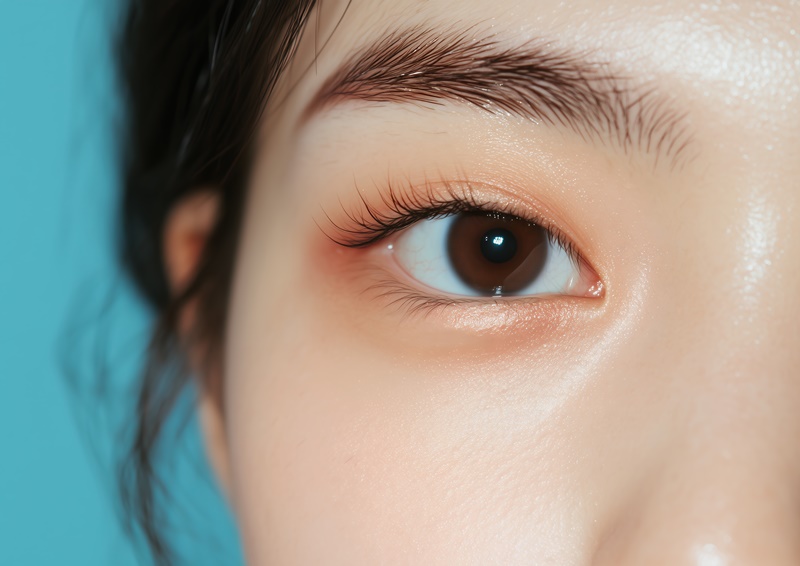
As changes around the eyes become more noticeable with age, many people begin to wonder: “Should I consider upper blepharoplasty because my upper eyelids are sagging?” “I have bags under my eyes. Do I need lower blepharoplasty?” “What exactly is the difference between upper and lower blepharoplasty?” Although the names sound similar, upper and lower blepharoplasty address different areas and concerns. Upper blepharoplasty mainly focuses on sagging of the upper eyelids, while lower blepharoplasty addresses concerns such as protruding under-eye fat, loose skin, and wrinkles beneath the eyes. However, everyone’s eye anatomy and aging pattern are different. Surgery should not be determined simply because “the eyes look saggy.” Today, we’ll explain the differences between upper and lower blepharoplasty, when each procedure may be considered, and when both procedures may need to be evaluated together.
First, What Is the Difference Between Upper and Lower Blepharoplasty? The simplest way to understand the difference is: Upper blepharoplasty → Changes above the eyes Lower blepharoplasty → Changes below the eyes Upper blepharoplasty addresses changes in the upper eyelids, such as excess or sagging skin that may cover the eyes or make it uncomfortable to open them. Lower blepharoplasty, on the other hand, focuses on age-related changes beneath the eyes, such as protruding fat, loose skin, and wrinkles. Although the two procedures may sound similar, the areas that need to be evaluated are fundamentally different.
When Can Upper Blepharoplasty Be Considered? Upper blepharoplasty is a surgical procedure that focuses on the upper eyelids. As we age, the skin of the upper eyelids can lose elasticity and gradually sag, potentially covering the natural eye shape. The procedure may be considered when the following changes are present. 1. Sagging eyelid skin covers the eyes As loose skin begins to cover the natural eyelid crease, the eyes may appear smaller or heavier than before. 2. The natural double-eyelid crease becomes less visible An existing eyelid crease may become partially or completely hidden by sagging skin. 3. You frequently use your forehead muscles to open your eyes When the upper eyelids feel heavy, some people may develop a habit of raising their eyebrows or using their forehead muscles to help open their eyes. 4. Your field of vision feels obstructed When upper-eyelid sagging becomes more pronounced, excess skin may interfere with part of the visual field. These concerns—including upper-eyelid sagging, visual discomfort, excessive use of the forehead when opening the eyes, and a hidden eyelid crease—are among the situations in which upper blepharoplasty may be considered. Does Upper Blepharoplasty Simply Remove Excess Skin? Not necessarily. Depending on the individual condition, upper blepharoplasty may require evaluation not only of excess skin but also of the fat, muscles, and other structures around the eyelids. The strength used to open the eyes and the existing double-eyelid crease may also need to be considered when determining an appropriate surgical plan. Rather than assuming that “removing more skin will make the eyes look more defined,” it is important to evaluate several factors together: How much sagging is present → How strong is the eye-opening function → What is the existing eyelid crease like → What is the condition of the skin and fat? A comprehensive assessment is important before deciding on the surgical approach.
When Can Lower Blepharoplasty Be Considered? Lower blepharoplasty focuses primarily on changes beneath the eyes. With aging, under-eye fat may protrude forward while the skin gradually loses elasticity, causing the under-eye area to appear puffy or saggy. Common concerns include: 1. Prominent under-eye bags Protruding fat beneath the eyes can create a tired-looking appearance. 2. Loose or sagging under-eye skin Loss of skin elasticity can lead to fine lines and sagging beneath the eyes. 3. Increased under-eye wrinkles Wrinkles may become noticeable even when the face is at rest. 4. Hollow or shadowed areas beneath the eyes Protruding under-eye fat may occur together with hollowness, creating shadows that can resemble dark circles. Lower blepharoplasty therefore involves a comprehensive evaluation of under-eye fat protrusion, skin laxity, wrinkles, and loss of elasticity. Are Lower Blepharoplasty and Under-Eye Fat Repositioning the Same Procedure? No. Lower blepharoplasty and under-eye fat repositioning are different procedures. Not everyone with protruding under-eye fat requires lower blepharoplasty. For example, if there is relatively little skin laxity but the under-eye fat protrudes and the tear trough appears hollow, under-eye fat repositioning may be considered. On the other hand, when significant skin laxity is accompanied by wrinkles and sagging beneath the eyes, lower blepharoplasty may be considered. Therefore, an important distinction is whether the primary concern is the under-eye fat itself or whether significant skin laxity is also present.
So, Which Procedure Should I Consider? A simple way to distinguish between the two is based on the location and nature of your main concern. Upper blepharoplasty may be considered if: Sagging upper-eyelid skin covers the eyes The natural eyelid crease has become less visible You frequently use your forehead muscles to open your eyes Your eyes feel heavy or uncomfortable Sagging eyelid skin interferes with your vision Lower blepharoplasty may be considered if: Under-eye fat appears prominent or puffy The skin beneath the eyes has become loose Under-eye wrinkles have become more noticeable The under-eye area appears saggy You are concerned about looking tired If both the upper and lower eyelids are concerns, it may be more appropriate to evaluate the overall aging pattern around the eyes rather than deciding on upper and lower blepharoplasty separately.
Upper and lower blepharoplasty may have similar names, but they are designed to address different concerns around the eyes. Upper blepharoplasty primarily addresses sagging of the upper eyelids, while lower blepharoplasty focuses on under-eye fat, skin laxity, and wrinkles. In reality, however, changes around the eyes do not always occur independently. Upper-eyelid sagging and protruding under-eye fat may appear together, while factors such as eyebrow position and the strength of the muscles used to open the eyes can also affect the overall appearance. Therefore, the key question is not simply: “Which is better, upper or lower blepharoplasty?” Instead, it should be: “Which areas of my eyes actually need to be addressed?” If age-related changes around the eyes are a concern, it is important to evaluate the degree of skin laxity, fat distribution, elasticity, eye-opening function, and existing eye shape before determining the surgical approach that is appropriate for you. |
|
 NEXT NEXT |
 Is a Double Chin Caused by Fat or Sagging Skin? Is a Double Chin Caused by Fat or Sagging Skin? |
 PREV PREV |
Can Shoulder Filler Help Create a Smooth, Celebrity-Like Shoulder Line? |
|
|
|






- 허쉬성형외과 전문의 의료진이 콕콕 짚어드립니다.
-

 힙업리프팅으로 애플힙 뒤태 만들수있나요? 힙업성형 Q&A
-
 어깨필러 상담부터 시술과정까지, 직각어깨 REAL 현장
 쌍수하고 술 언제부터 마셔도 되나요?

- Before After
- 만족스러운 HERSHE Beauty FAQ 다음은 당신입니다.


-
1
허쉬는 대리수술이 없습니다.
진료를 담당한 의사가 직접 수술하는 것은 당연합니다. -
2
무리한 수술을 권유하지 않습니다.
디테일한 상담, 명확한 진단으로 가능한 범위 내에서
진료를 하겠습니다. -
3
끊임없는 연구와 노력을 이어갑니다.
기본부터 지키며, 성형을 발전시키는데
이바지하겠습니다. -
4
환자와 공감하고 소통하는 병원
작은 목소리도 가족이나 친구처럼 소홀히 하지 않습니다.
우리가 약속할수 있는 것


Online Consultation
- +82 10 3420 4624
- hershe.eng@gmail.com
Online Consultation
-
Weekdays 10:00 a.m. to 7:00 p.mSaturday 10:00 a.m. to 4:00 p.m
-
730, 2~4th floor, 63-12, Cheongdam-dong, Gangnam-gu, Seoul
Business registration number: 211-09-46633 | Mail order sales report number: 2011-Seoul Gangnam-02924 - Advertising / Affiliate Inquiry Contact Telephone: 02-518-6688 / E-mail: hershe.eng@gmail.com


