


- HERSHE Beauty FAQ
- Beauty Q&A
- Find answers to your beauty questions with HERSHE
HERSHE Beauty FAQ
|
When Should You Consider a Double Chin Mini Facelift? 2026-10-16 hit.1,141 |
|
When Should You Consider a Double Chin Mini Facelift?
When looking in the mirror or taking a photo, you may notice fullness beneath the chin or feel that the boundary between the jawline and neck is less defined than before. If a double chin remains noticeable despite no significant weight gain, or if the skin beneath the chin appears lax even without lowering your head, the cause may involve more than fat alone. Changes in the skin, muscles, and surrounding tissues may also contribute. When researching ways to improve a double chin, you may encounter several surgical options, including submental liposuction, double-chin muscle tightening, and a Double Chin Mini Facelift. Although their names may sound similar, each method targets different tissues and involves a different surgical scope. Is a double chin caused only by fat, or should skin and muscle laxity also be evaluated? Based on information provided on the official HERSHE Plastic Surgery website, this article explains the Double Chin Mini Facelift in detail, including the causes of a double chin, situations in which surgery may be considered, differences from other procedures, and points to check before consultation.
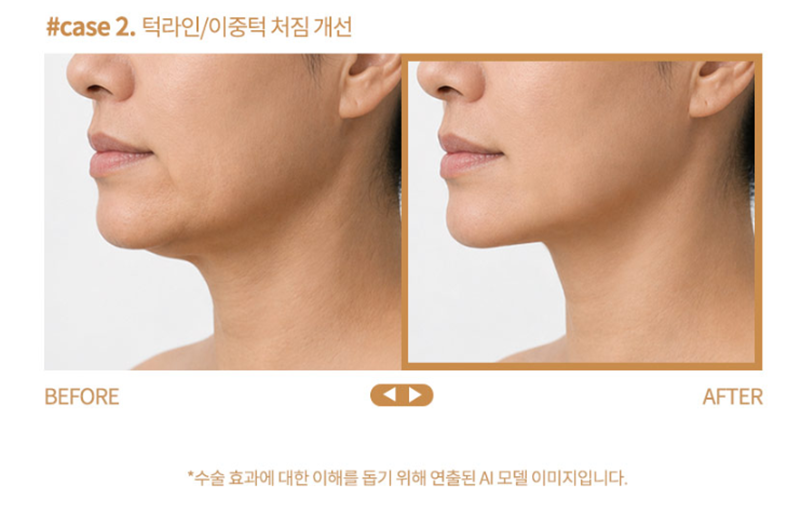
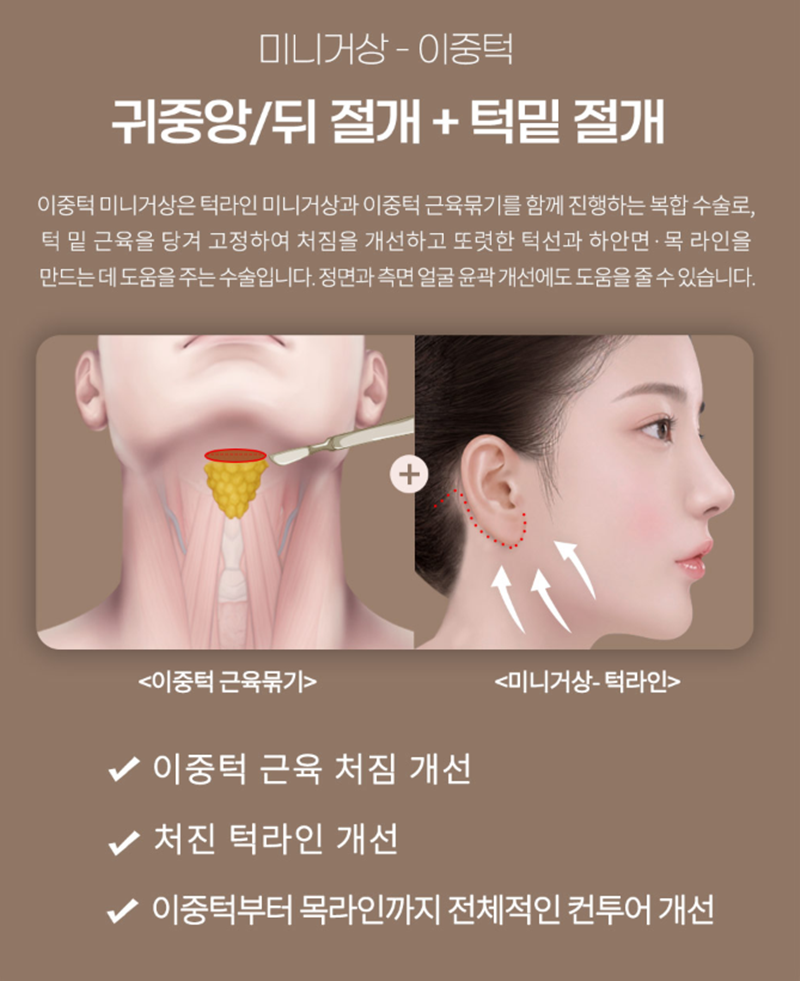
What Is a Double Chin Mini Facelift? A Double Chin Mini Facelift is a surgical lifting method that considers not only submental fat and muscle condition but also laxity along the jawline, lower face, and upper neck. HERSHE Plastic Surgery describes an approach that combines double-chin muscle tightening with a jawline mini facelift. In addition to correcting fat and muscles beneath the chin, the procedure lifts lax tissues around the jawline and neck and, when necessary, removes excess skin. The key is to plan surgery after evaluating the overall tissue condition beneath the chin and around the jawline, rather than focusing only on fat reduction.
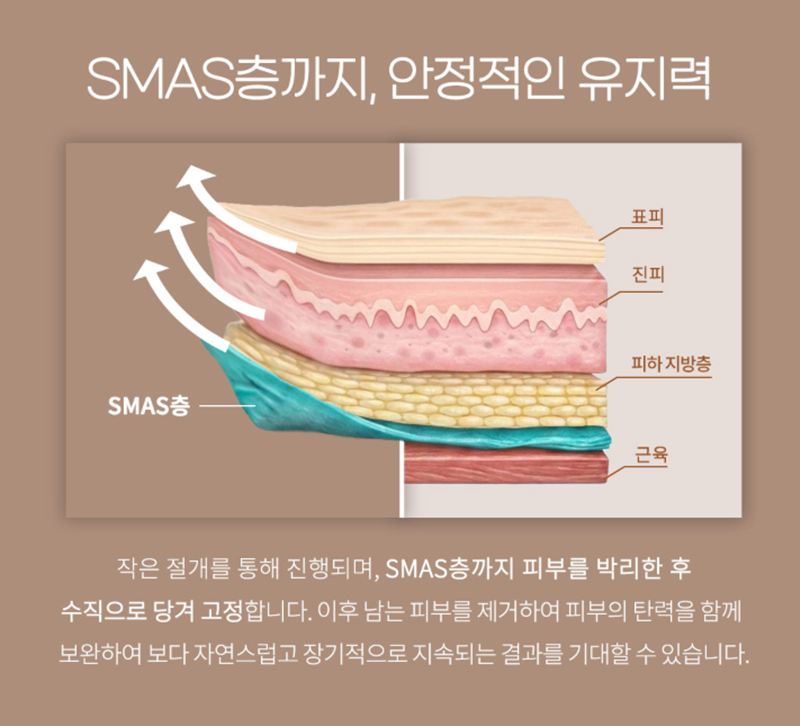
Main Steps of the HERSHE Double Chin Mini Facelift STEP 1. Consultation and Personalized 1:1 Assessment : The causes of the double chin, distribution of submental fat, muscle condition, skin elasticity, and degree of laxity along the jawline and neck are assessed first. Based on this assessment, the medical team determines which tissues should be corrected, whether muscle tightening and a mini facelift should be combined, and how to plan the surgical scope and incision sites. STEP 2. Submental Fat Removal and Muscle Tightening : Through an incision approximately 1–3 cm beneath the chin, submental fat is adjusted and the loosened or separated platysma muscles are tightened and secured. The required extent of correction may vary depending on the amount of fat and the condition of the muscles. STEP 3. Jawline Mini Facelift and Tissue Lifting : If laxity remains along the jawline or upper neck after the submental muscles are corrected, a jawline mini facelift may also be considered. According to the official website, an incision extending from the front to the back of the ear is used to access the SMAS layer, after which lax tissues along the jawline, lower face, and upper neck are lifted and secured. STEP 4. Excess Skin Removal and Closure : After the tissues are lifted, any remaining excess skin is removed as needed and the incision is closed. Following surgery, swelling, incision condition, and recovery progress are monitored, with aftercare provided according to the medical team's instructions. The steps above summarize the surgical information provided by HERSHE Plastic Surgery. The actual surgical method and scope may vary according to each individual's anatomy and degree of laxity.
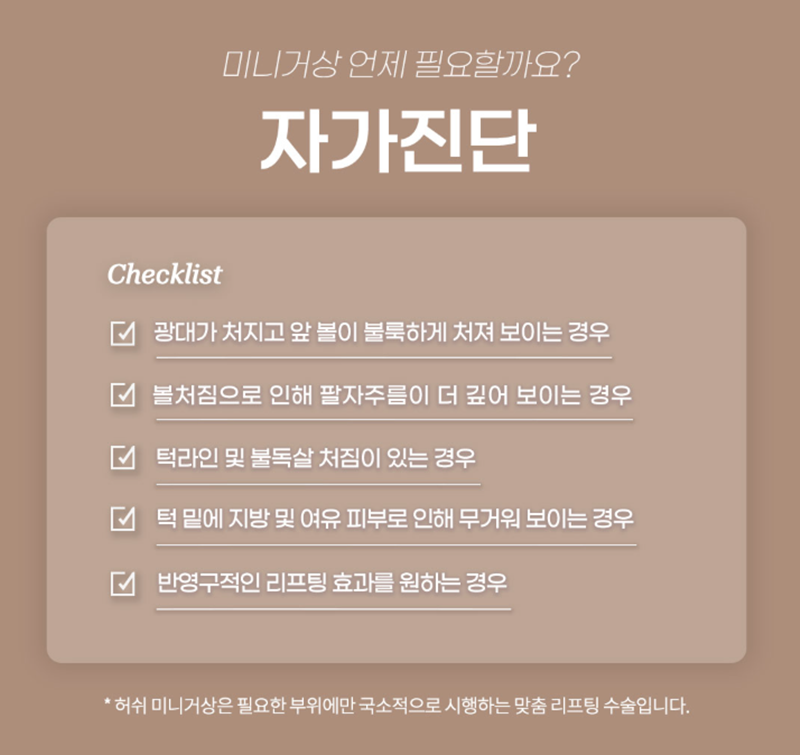
When Can a Double Chin Mini Facelift Be Considered? Not everyone with a double chin requires a mini facelift. This is because the appropriate approach may differ depending on whether excess fat is the main cause or whether skin and muscle laxity are also present. If you have any of the following concerns, a consultation can help determine whether a Double Chin Mini Facelift may be appropriate for your condition. 1. When the Jawline Appears Saggy Along with a Double Chin : If the area beneath the chin looks full and the jawline itself also appears to sag downward, both the amount of fat and the position of surrounding tissues should be evaluated. It is important to determine whether fat reduction alone may be sufficient or whether laxity of the jawline and lower face should also be addressed. 2. When Changes in Both Submental Fat and Muscles Are Present : If prominent submental fat is accompanied by loosened or separated muscles, a step-by-step approach addressing both fat and muscle may be considered. HERSHE Plastic Surgery's double-chin muscle-tightening approach evaluates both submental fat and the condition of the platysma muscles. When laxity of the jawline and upper neck is also present, combining the procedure with a mini facelift may be considered. 3. When the Area Beneath the Chin Looks Full Despite No Significant Weight Change : Body weight alone cannot determine the cause of a double chin. Depending on facial structure, fat distribution, and the shape of the chin and neck, the area beneath the chin may look full even without significant weight gain. Rather than focusing only on weight loss, it is advisable to assess the current condition of the fat, muscles, and skin beneath the chin. 4. When the Skin Beneath the Chin Appears Lax : Even when there is not much submental fat, loose skin can make the boundary between the jawline and neck appear less defined. In this case, it is necessary to determine whether fat reduction alone may be sufficient or whether excess skin and lax surrounding tissues should also be addressed. 5. When You Are Concerned About Both the Jawline and Neck Contour : If the concern is not limited to a double chin seen from the front, but also includes a poorly defined jaw-to-neck angle from the side, or a sense that lower-face tissues have descended, the surrounding contours should be assessed along with the area beneath the chin. A Double Chin Mini Facelift is one surgical option that may be considered when these forms of laxity occur together. However, the points above are only general references for beginning a consultation. Meeting one of these criteria does not necessarily mean that a mini facelift is required. Actual suitability for surgery should be determined through an examination by the medical team.
Checklist Before a Double Chin Mini Facelift Consultation If you are preparing for a surgical consultation, consider organizing the following information in advance. CHECK 1. Which Area Concerns You Most? Fullness from fat beneath the chin Laxity of the muscles beneath the chin A poorly defined jawline Loose skin beneath the chin Sagging extending from the jawline to the neck Explaining your main concern in detail can help organize the points that should be evaluated during consultation. CHECK 2. When Did the Double Chin Begin to Concern You? Consider whether it appeared after a recent weight change, has remained similar for a long time, or became more noticeable with age-related skin laxity. The timing and pattern of the change can provide useful information when assessing your current condition. CHECK 3. Are Skin Elasticity and Laxity Also Concerns? When gently touching the area beneath the chin, consider whether the main concern feels like thick fat or loose, folding skin. However, touch alone cannot accurately determine the depth of fat or condition of the muscles, so an in-person examination is necessary. CHECK 4. Have You Previously Undergone Any Procedures or Surgery? If you have previously had liposuction, thread lifting, double-chin muscle tightening, or another procedure around the chin or neck, inform the medical team of the type, timing, and current condition. Previous treatment history may be an important reference when evaluating tissue condition and planning surgery. CHECK 5. Can You Allow Enough Time for Recovery? Because a Double Chin Mini Facelift involves incisions and tissue dissection, discomfort such as swelling, bruising, pain, or tightness may occur. If you need to return to work, have an important event, or plan to exercise, ask about the expected recovery process and activity restrictions during consultation. CHECK 6. Have the Incision Sites and Scarring Been Explained? Because the plan may include an incision beneath the chin and incisions around the ears, confirm their location and extent, the possibility of visible scars, and scar-care instructions. CHECK 7. Do You Fully Understand the Limitations and Possible Complications? In addition to the expected changes after surgery, it is important to receive a full explanation of possible complications, including bleeding, infection, hematoma, asymmetry, sensory changes, scarring, skin damage, and nerve injury, as well as how they would be managed.
Questions to Ask Before a Double Chin Mini Facelift Preparing the following questions can help you understand the surgical plan during consultation. 1. Is my double chin mainly affected by fat, muscle condition, skin laxity, or a combination of these factors? 2. Is there a possibility that liposuction or double-chin muscle tightening alone would be sufficient? 3. Why is combining the procedure with a mini facelift being considered? 4. Which tissues would be corrected for my facial structure, and to what extent? 5. Where would the incisions be placed, and what type of scarring might be expected? 6. What degree of swelling and bruising should I expect, and when might I return to daily activities? 7. Which activities should I avoid after surgery, and what aftercare is required? 8. What complications may occur, and what should I do if unusual symptoms appear? 9. What is the follow-up schedule after surgery? It is advisable to decide only after fully understanding the surgical scope and process, recovery plan, and potential risks through these questions. How Should Recovery and Aftercare Be Managed Following a Double Chin Mini Facelift? Because a Double Chin Mini Facelift addresses tissues around the jawline as well as fat and muscles beneath the chin, aftercare may vary depending on the surgical scope and the individual's recovery condition. The following points generally require attention after surgery. 1. Care for the wounds and incision sites according to the medical team's instructions. 2. Monitor symptoms that may occur during recovery, including swelling, bruising, pain, and sensory changes. 3. Resume strenuous exercise or activities that place pressure beneath the chin only according to the medical team's guidance. 4. Avoid alcohol, smoking, saunas, and other activities that may affect recovery for the advised period. 5. Attend scheduled follow-up visits and receive the recommended postoperative care. Because recovery time varies with surgical scope and individual condition, it is difficult to guarantee that all activities can resume on a specific date. If pain becomes severe, one side suddenly swells significantly, or symptoms such as skin-color changes or fever occur, contact the medical institution where the surgery was performed without delay and follow its guidance.
Although double chins may look similar externally, their underlying causes can differ. In some cases, submental fat may be the main cause; in others, platysma laxity, loose skin, and changes in tissues around the jawline may also contribute. HERSHE Plastic Surgery develops a surgical plan after evaluating each individual's facial structure, submental condition, and skin and muscle characteristics, and provides guidance on an approach combining double-chin muscle tightening with a jawline mini facelift. Therefore, if you are considering treatment for a double chin, the goal should not be limited to reducing fat. It is important to assess which factors among the fat, muscles, and skin beneath the chin, as well as laxity of the jawline and neck, need to be considered together. This comprehensive assessment is important. Whether a Double Chin Mini Facelift is appropriate, or whether another method such as liposuction or muscle tightening should be considered, depends on the individual's condition. Before deciding on surgery, carefully review the surgical scope, expected changes, recovery process, and possible risks based on a thorough examination and explanation. |
|
 NEXT NEXT |
 No Data. No Data. |
 PREV PREV |
Pre-Consultation Checklist for a Midface Mini Facelift: Which Approach Is Right for Me? |
|
|
|





- 허쉬성형외과 전문의 의료진이 콕콕 짚어드립니다.
-

 힙업리프팅으로 애플힙 뒤태 만들수있나요? 힙업성형 Q&A
-
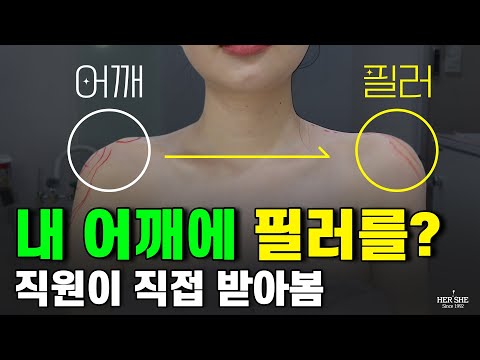 어깨필러 상담부터 시술과정까지, 직각어깨 REAL 현장
 쌍수하고 술 언제부터 마셔도 되나요?

- Before After
- 만족스러운 HERSHE Beauty FAQ 다음은 당신입니다.


-
1
허쉬는 대리수술이 없습니다.
진료를 담당한 의사가 직접 수술하는 것은 당연합니다. -
2
무리한 수술을 권유하지 않습니다.
디테일한 상담, 명확한 진단으로 가능한 범위 내에서
진료를 하겠습니다. -
3
끊임없는 연구와 노력을 이어갑니다.
기본부터 지키며, 성형을 발전시키는데
이바지하겠습니다. -
4
환자와 공감하고 소통하는 병원
작은 목소리도 가족이나 친구처럼 소홀히 하지 않습니다.
우리가 약속할수 있는 것
PREFER TO CONTACT US DIRECTLY?
Direct 1:1 consultation
Choose one of the channels below to begin a direct conversation with our English consultation team.


Online Consultation
Online Consultation
-
Weekdays 10:00 a.m. to 7:00 p.mSaturday 10:00 a.m. to 4:00 p.m
-
730, 2~4th floor, 63-12, Cheongdam-dong, Gangnam-gu, Seoul
Business registration number: 211-09-46633 | Mail order sales report number: 2011-Seoul Gangnam-02924 - Advertising / Affiliate Inquiry Contact Telephone: 02-518-6688 / E-mail: hershe.eng@gmail.com


