


- HERSHE Beauty FAQ
- Beauty Q&A
- Find answers to your beauty questions with HERSHE
HERSHE Beauty FAQ
|
Why the Pelvis May Look Narrow: Improving the Body Line with Pelvic Filler 2026-10-22 hit.1,053 |
|
Why the Pelvis May Look Narrow: Improving the Body Line with Pelvic Filler
Some people are concerned that their pelvic line looks flat despite having a defined waist, or that the pelvis lacks volume when viewed from the side. Because exercise or weight management alone may not create the desired line, some also look into pelvic filler. Today, we will examine why the pelvis may look narrow, how pelvic filler works, and what to know before the procedure.
Why does the pelvis look narrow? A pelvis that looks narrow does not necessarily mean that the pelvic bones themselves are narrow. Various factors influence the overall silhouette, including an individual's skeletal structure, waist curve, volume around the pelvis, and the line connecting the hips and thighs. The pelvic line may appear relatively flat particularly in the following cases. When there is little difference between the width of the waist and pelvis When there is insufficient volume at the sides of the pelvis When hip dips make the indentation between the pelvis and buttocks more noticeable When the line from the pelvis to the hips appears flat Therefore, when assessing the pelvic line, it is important to consider the overall proportions from the waist through the pelvis to the hips rather than focusing only on pelvic size. What is pelvic filler? Pelvic filler is a procedure that uses hyaluronic acid (HA) filler to supplement insufficient volume around the pelvis and create a more dimensional body line from the waist through the pelvis to the hips. It does not change the size or width of the pelvic bones themselves. Its purpose is to consider the balance of the silhouette based on the individual's body shape and areas lacking volume. At HERSHE Plastic Surgery, careful design that considers each individual's skeletal structure, body shape, and areas lacking volume is emphasized when performing pelvic filler procedures. Rather than simply increasing volume, it is important to review the proportions from the front, side, and back and carefully plan the necessary areas and injection volume.
When can pelvic filler be considered? Pelvic filler may be considered when insufficient volume around the pelvis makes the transition from the waist to the pelvis appear flat or when the curves of the pelvic line are a concern. However, although hip dips and the pelvic line may appear connected, they are not the same concept. Hip dips refer to the inward curve between the pelvis and thighs. The approach to pelvic filler and hip-dip filler may differ depending on the planned treatment area and purpose. The area and amount of volume to be supplemented vary depending on the individual's anatomical structure, skin condition, and desired change, so they should be confirmed through a medical examination and consultation beforehand. What to know before a pelvic filler procedure If you are considering pelvic filler, it is advisable to check the following. 1. Clearly identify the areas lacking volume in your current body shape and your goals for improvement. 2. Receive a thorough explanation of the type of filler used, the injection plan, the expected changes, and the limitations. 3. Check not only commonly occurring reactions such as swelling, bruising, and pain, but also the risks of filler procedures, including infection and vascular complications. 4. Receive guidance on post-procedure care, precautions, and how to respond if unusual symptoms appear. Suitability for filler procedures may vary depending on individual conditions, and results are not the same for everyone. It is important to consider both the need for the procedure and its risks through sufficient consultation.
A pelvis may look narrow due to several factors besides skeletal structure, including the curve of the waist, volume around the pelvis, and the line leading to the hips. Pelvic filler does not widen the pelvic bones themselves. It is a procedure that supplements volume in deficient areas while considering the overall body silhouette. HERSHE Plastic Surgery explains that it is important to assess the individual's body shape and pelvic line comprehensively and carefully review the areas requiring treatment and the procedure plan. If you are considering pelvic filler, make your decision after thoroughly reviewing your body shape, the purpose of the procedure, and possible side effects rather than comparing volume alone. |
|
 NEXT |
 No Data. |
 PREV |
Neck Wrinkle Lifting Methods: Do They Differ for Horizontal and Vertical Neck Wrinkles? |
|
|
|






- 허쉬성형외과 전문의 의료진이 콕콕 짚어드립니다.
-

 힙업리프팅으로 애플힙 뒤태 만들수있나요? 힙업성형 Q&A
-
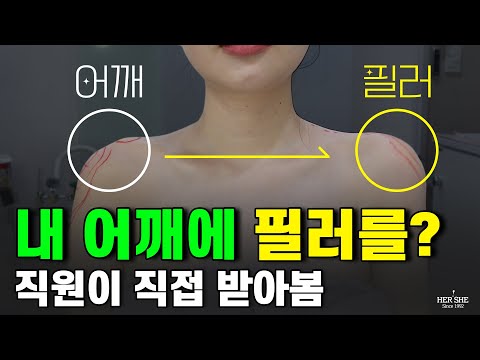 어깨필러 상담부터 시술과정까지, 직각어깨 REAL 현장
 쌍수하고 술 언제부터 마셔도 되나요?

- Before After
- 만족스러운 HERSHE Beauty FAQ 다음은 당신입니다.


-
1
허쉬는 대리수술이 없습니다.
진료를 담당한 의사가 직접 수술하는 것은 당연합니다. -
2
무리한 수술을 권유하지 않습니다.
디테일한 상담, 명확한 진단으로 가능한 범위 내에서
진료를 하겠습니다. -
3
끊임없는 연구와 노력을 이어갑니다.
기본부터 지키며, 성형을 발전시키는데
이바지하겠습니다. -
4
환자와 공감하고 소통하는 병원
작은 목소리도 가족이나 친구처럼 소홀히 하지 않습니다.
우리가 약속할수 있는 것
PREFER TO CONTACT US DIRECTLY?
Direct 1:1 consultation
Choose one of the channels below to begin a direct conversation with our English consultation team.


Online Consultation
Online Consultation
-
Weekdays 10:00 a.m. to 7:00 p.mSaturday 10:00 a.m. to 4:00 p.m
-
730, 2~4th floor, 63-12, Cheongdam-dong, Gangnam-gu, Seoul
Business registration number: 211-09-46633 | Mail order sales report number: 2011-Seoul Gangnam-02924 - Advertising / Affiliate Inquiry Contact Telephone: 02-518-6688 / E-mail: hershe.eng@gmail.com


