


- HERSHE Beauty FAQ
- Beauty Q&A
- Find answers to your beauty questions with HERSHE
HERSHE Beauty FAQ
|
Why Do Buttocks Look Flat? Considering Butt Filler to Add Volume 2026-11-04 hit.1,260 |
|
Why Do Buttocks Look Flat? Considering Butt Filler to Add Volume
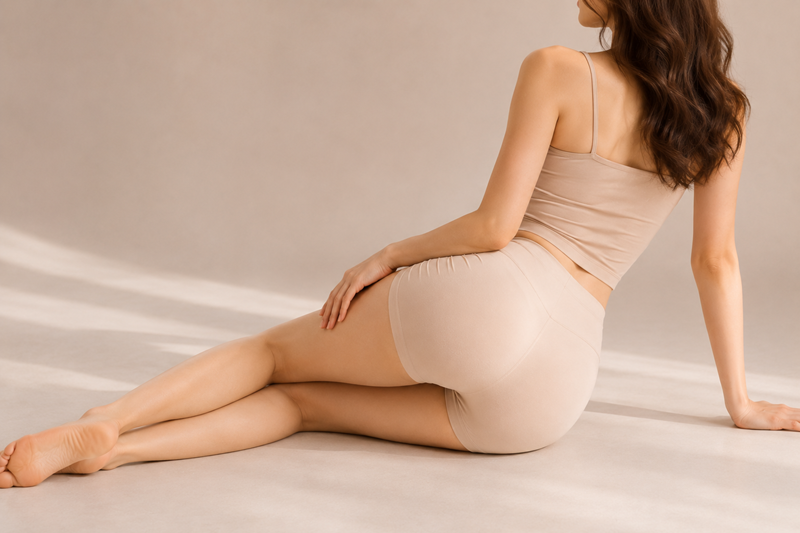
Some people may have a relatively slim body but still feel that their buttocks look flat, or that the curve from the pelvis to the buttocks appears less defined when viewed from the side. You may also feel that your hip line does not develop as much as you would like, even with consistent exercise, or that your buttocks lack volume when wearing trousers or leggings. A flat-looking buttock contour is not necessarily caused by insufficient gluteal muscle alone. Various factors can contribute, including the natural shape of the pelvis and buttocks, fat distribution, muscle mass, skin elasticity, and changes in body weight. Butt filler is one option that may be considered to address concerns about insufficient volume. Today, we will focus on butt filler at HERSHE Plastic Surgery and take a closer look at why the buttocks may appear flat, how filler works, how it differs from pelvic filler and hip dip filler, and what to check before treatment.
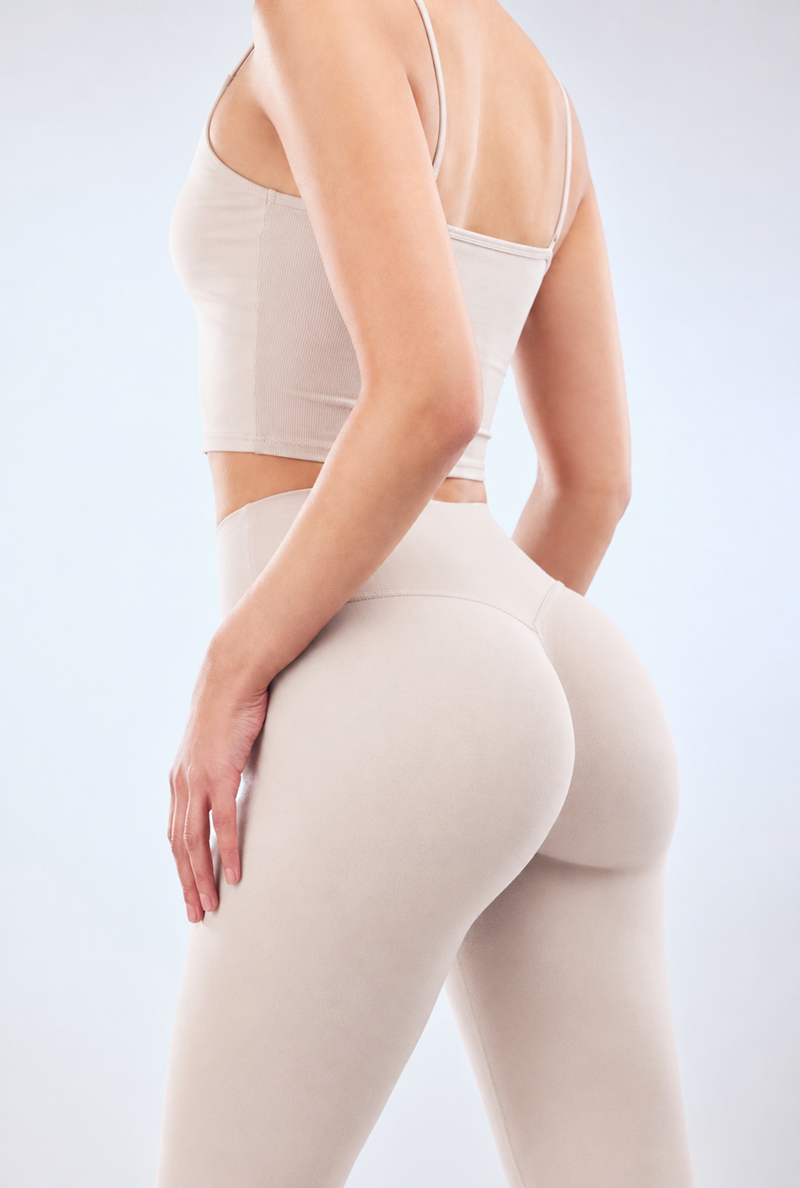
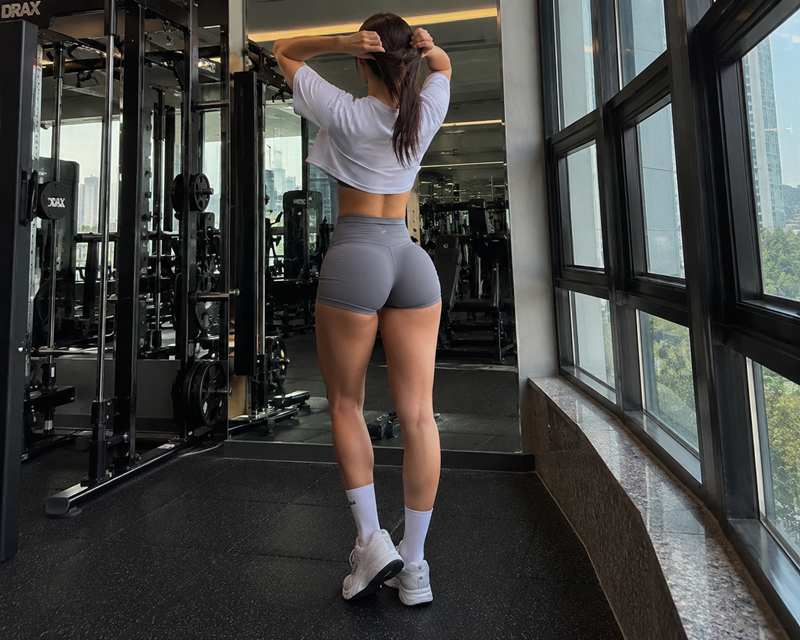
Why Do the Buttocks Look Flat? The shape of the buttocks is not determined by size alone. The overall hip contour is formed through the combined influence of pelvic structure, gluteal muscles, subcutaneous fat distribution, and skin elasticity. For this reason, the factors that make the buttocks appear to lack volume can vary from person to person. 1. Natural Pelvic and Buttock Shape The width and shape of the pelvis, as well as the degree of buttock projection, differ from person to person. If the pelvis is relatively narrow or the buttocks have less front-to-back projection, the overall silhouette may appear flatter. In such cases, it is important to assess not only the size of the buttocks but also the curve connecting the waist, pelvis, buttocks, and thighs. 2. Differences in Gluteal Muscle Mass and Use The buttocks contain several muscles, including the gluteus maximus, gluteus medius, and gluteus minimus. Among them, the gluteus maximus is a major muscle that influences the overall volume and shape of the buttocks. A consistently low level of physical activity or lifestyle habits that do not sufficiently engage the gluteal muscles may contribute to differences in muscle mass and shape. However, exercise levels alone do not determine the shape of the buttocks. Natural body structure and fat distribution also play a role. 3. Reduced Fat Volume Due to Weight Loss After rapid dieting or changes in body weight, the amount of fat around the buttocks and pelvis may change, as can the fat on the face. In particular, people who naturally have less fat in the buttock area may notice a more pronounced flat appearance when volume in the upper or outer buttocks decreases with weight loss. In these cases, it is helpful to assess which areas have lost volume along with the overall changes in body weight. 4. Reduced Skin Elasticity and Sagging of the Buttocks As people age or experience repeated changes in body weight, the elasticity of the skin and soft tissues may change. Sagging in the lower buttocks or insufficient volume in the upper area may make the overall hip line appear lower and flatter. In such cases, it is important to assess the degree of sagging and the position of the tissues rather than focusing only on adding volume. 5. Pelvic Shape and Hip Dips Hip dips, which appear as inward curves along the outer sides of the buttocks, are another factor that can affect the overall hip contour. Hip dips are a natural body feature influenced by the skeletal structure around the pelvis and femur, as well as the distribution of muscles and fat. Therefore, even when the buttocks themselves have sufficient volume, indentations along the side may make the overall lower-body silhouette feel less defined. As a flat-looking buttock contour can result from several combined factors, it is important to first understand your body shape and the areas of concern.
What Is Butt Filler? A Way to Address Insufficient Hip Volume Butt filler is a treatment that uses hyaluronic acid (HA) filler to add volume and dimension to areas of the buttocks that appear flat or lack volume. In addition to the overall volume of the buttocks, the treatment area and design are planned with consideration for the balance of the body line connecting the pelvis, waist, and thighs. At HERSHE Plastic Surgery, butt filler is presented as an option using hyaluronic acid filler to address insufficient buttock volume while taking each individual's body proportions and overall body silhouette into consideration. It may also be possible to discuss filler-based volume enhancement when there is insufficient donor fat or when fat grafting is difficult to perform. Key Features of Butt Filler 1. Uses hyaluronic acid (HA) filler 2. Considers ways to address insufficient buttock volume 3. Takes into account the balance between the upper buttocks and the overall hip line 4. Considers the lines connecting the pelvis, waist, and thighs 5. Treatment plans are developed according to each person's body shape and areas of concern However, butt filler is not suitable for every body-shape concern. The appropriate approach may differ depending on whether the main concern is sagging, a general lack of volume, or an indentation in a specific area. Which Areas Can Be Considered for Butt Filler? When planning butt filler, it is important to identify which areas lack volume rather than focusing only on the total amount of filler. Even when the concern is insufficient buttock volume, the design approach may differ depending on the specific area involved. 1. Overall Buttock Volume This applies when the buttocks generally appear flat or lack projection toward the back. In such cases, the overall shape of the buttocks and the proportions of the surrounding body areas should be assessed together. Rather than simply increasing size, it is important to determine which areas may need volume while considering the lines connecting the waist, pelvis, and thighs. 2. Volume in the Upper Buttocks If the upper buttocks appear hollow or lack volume, the curve from the waist to the buttocks may look less defined. In this case, the design direction may be determined by considering the upper buttock volume together with the overall position and contour of the hips. 3. Indentation on the Outer Buttocks An inward indentation along the outer buttocks may be related to hip dips. Differences in volume around the area where the pelvis and buttocks connect may make the side contour appear less smooth. In such cases, it is helpful to distinguish between approaches that address overall buttock volume and those that focus on volume in the hip dip area. 4. The Contour Connecting the Pelvis and Buttocks Some people are more concerned about the curve from the waist to the pelvis than the volume of the buttocks themselves. In this situation, it may be helpful to consider the differences between butt filler and pelvic filler rather than making a decision based on butt filler alone.
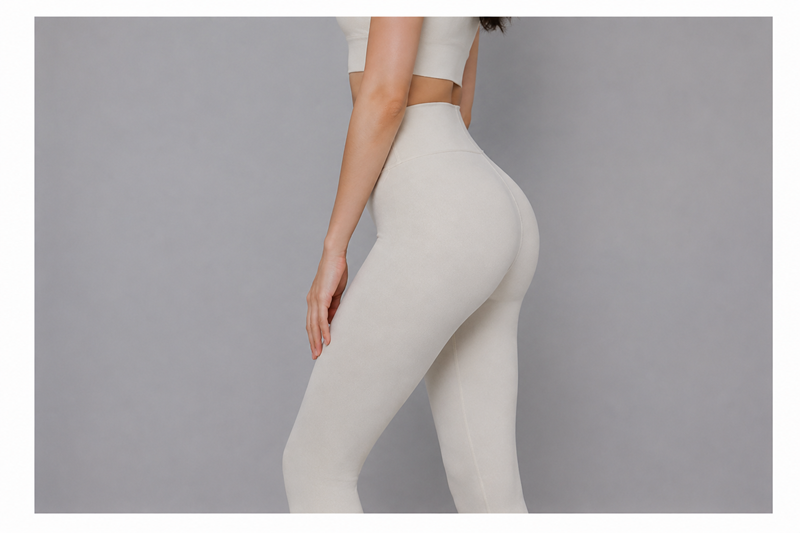
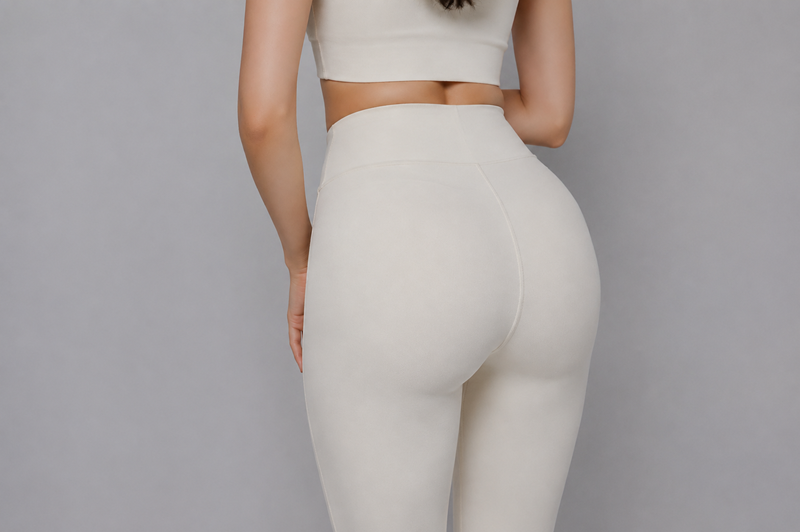
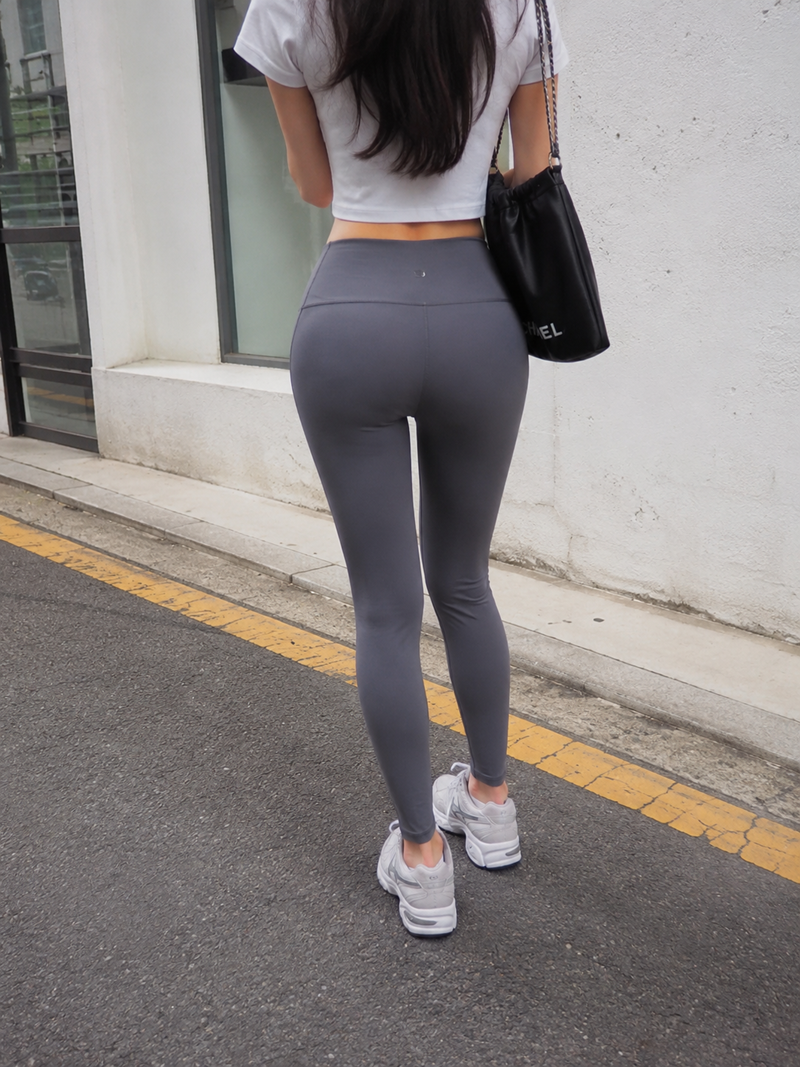
What Is the Difference Between Butt Filler, Pelvic Filler, and Hip Dip Filler? Butt filler, pelvic filler, and hip dip filler may all be used to address volume concerns in the body line. However, they differ in the areas primarily assessed and their design objectives. 1. Butt Filler This may be considered when the buttocks themselves lack volume or appear flat. The overall three-dimensional shape and rear silhouette of the buttocks are assessed, while also considering the proportions of the pelvis, waist, and thighs. 2. Pelvic Filler This may be considered when insufficient volume around the pelvis makes the curve from the waist to the pelvis appear less defined. The pelvic shape, waist-to-pelvis ratio, and contour connecting to the buttocks are assessed together. 3. Hip Dip Filler This is an approach to addressing volume in the hip dip area, where the outer sides of the buttocks appear indented. The treatment area is planned with consideration for the side contour where the pelvis and buttocks connect. Who May Consider Butt Filler? If you have any of the following concerns, you may discuss with a medical professional whether butt filler is appropriate for you. 1. When the Buttocks Appear Flat Overall This refers to cases where the buttocks have limited projection or the rear volume appears less defined. 2. When Buttock Volume Decreases After Weight Loss If the amount of fat in the buttocks has decreased after dieting and the area looks flatter than before, it may be helpful to discuss possible ways to address the loss of volume. 3. When There Is Insufficient Donor Fat Fat grafting uses fat harvested from the patient's own body, so it is necessary to check whether there is enough fat available for harvesting. HERSHE Plastic Surgery explains that volume enhancement using butt filler may also be discussed when there is insufficient donor fat or when fat grafting is difficult. 4. When the Buttocks Lack Three-Dimensional Projection If the buttocks appear to lack dimension from the side or back rather than from the front, the overall hip contour may be assessed. 5. When the Hip Line Is a Concern in Trousers or Leggings If the buttocks appear to lack volume when wearing clothes, or if the curve from the waist to the buttocks looks less defined, you may discuss volume enhancement options suited to your body shape. However, having one or more of these concerns does not automatically mean that butt filler is suitable for everyone. The condition of the skin and fat layers, the shape of the buttocks, previous treatment history, and overall health should all be assessed together.
What to Know Before Butt Filler Treatment Unlike facial filler, butt filler requires careful consideration of the injection area, amount used, and anatomical structure of the body tissues. Important blood vessels, nerves, and muscles are located in the buttock area, so sufficient consultation and safety assessment are necessary before treatment. 1. Check Which Filler Product Will Be Used Not all hyaluronic acid fillers are the same. Product approvals, intended uses, and physical properties may differ. It is important to check the exact product being used and its approval status in Korea. 2. Check the Treatment Area and Injection Plan The treatment plan should be established with a thorough understanding of the anatomical structure and blood vessel distribution in the buttock area. The injection site, depth, and volume should be determined according to the medical professional's assessment, and the risks associated with the treatment method should be explained in detail. 3. Inform Your Medical Professional About Previous Treatments If you have previously received butt filler, fat grafting, or any other body treatment, you should inform your medical professional. The plan for additional treatment may vary depending on the product used, the timing of the previous treatment, and the injection area. 4. Understand Possible Side Effects and Complications After treatment, reactions such as swelling, bruising, pain, tenderness, asymmetry, nodules, infection, and inflammation may occur. Although rare, serious complications such as vascular occlusion and tissue damage may also occur. Therefore, it is important to understand the risks and check the emergency response procedures before treatment. If pain becomes severe after treatment, the skin turns pale or dark, or symptoms such as warmth, fever, or sudden swelling occur, contact a medical institution immediately and seek medical attention. 5. Check Post-Treatment Care and Recovery Post-treatment care may vary depending on the product used, the injection area, and each individual's recovery process. It is important to follow the medical professional's instructions regarding compression, posture, exercise, and daily activities, and to attend follow-up appointments according to the recommended schedule.
A flat-looking buttock contour is not caused by insufficient volume alone. Various factors may contribute, including the natural shape of the pelvis and buttocks, muscle mass, fat distribution, and skin elasticity. Therefore, when considering butt filler, it is important to look beyond simply increasing size and identify which areas lack volume. It is also important to assess the contour connecting the pelvis and thighs and whether the overall proportions are balanced with the individual's body shape. HERSHE Plastic Surgery provides information about butt filler using hyaluronic acid (HA) filler, taking into consideration not only buttock volume but also the overall body line connecting the pelvis, waist, and thighs. If you are concerned about overall buttock volume, butt filler may be considered; if the concern is volume around the pelvis, pelvic filler may be discussed; and if the concern is an indentation along the outer sides, hip dip filler may be considered. However, the appropriate treatment method may vary depending on each individual's body shape and tissue condition. Whether to proceed with treatment and the extent of treatment should be determined after sufficient consultation with a medical professional. Rather than adding as much volume as possible, first consider which areas should be addressed in relation to your own body shape. |
|
 NEXT |
 Does the Side of Your Buttocks Look Uneven? Causes of Hip Dip and Ways to Manage It |
 PREV |
Double Chin Muscle Tightening: Can It Be Considered Even Without Much Fat Beneath the Chin? |
|
|
|


- 허쉬성형외과 전문의 의료진이 콕콕 짚어드립니다.
-

 힙업리프팅으로 애플힙 뒤태 만들수있나요? 힙업성형 Q&A
-
 어깨필러 상담부터 시술과정까지, 직각어깨 REAL 현장
 쌍수하고 술 언제부터 마셔도 되나요?

- Before After
- 만족스러운 HERSHE Beauty FAQ 다음은 당신입니다.


-
1
허쉬는 대리수술이 없습니다.
진료를 담당한 의사가 직접 수술하는 것은 당연합니다. -
2
무리한 수술을 권유하지 않습니다.
디테일한 상담, 명확한 진단으로 가능한 범위 내에서
진료를 하겠습니다. -
3
끊임없는 연구와 노력을 이어갑니다.
기본부터 지키며, 성형을 발전시키는데
이바지하겠습니다. -
4
환자와 공감하고 소통하는 병원
작은 목소리도 가족이나 친구처럼 소홀히 하지 않습니다.
우리가 약속할수 있는 것
PREFER TO CONTACT US DIRECTLY?
Direct 1:1 consultation
Choose one of the channels below to begin a direct conversation with our English consultation team.


Online Consultation
Online Consultation
-
Weekdays 10:00 a.m. to 7:00 p.mSaturday 10:00 a.m. to 4:00 p.m
-
730, 2~4th floor, 63-12, Cheongdam-dong, Gangnam-gu, Seoul
Business registration number: 211-09-46633 | Mail order sales report number: 2011-Seoul Gangnam-02924 - Advertising / Affiliate Inquiry Contact Telephone: 02-518-6688 / E-mail: hershe.eng@gmail.com


