


- HERSHE Beauty FAQ
- Beauty Q&A
- Find answers to your beauty questions with HERSHE
HERSHE Beauty FAQ
|
Worried about calf bulges? Things to check before getting Calf Toxin treatment 2026-11-06 hit.1,670 |
|
Worried about calf bulges? Things to check before getting Calf Toxin treatment
Some people are concerned about their calf lines when wearing skirts or shorts, or about the prominent calf bulges that stand out whenever they flex their legs. Even if you are not particularly heavy, if the inner or outer calf muscles are noticeably developed, making your legs look thick, it may not just be a matter of weight or fat. The calves are a part of the body where muscles, fat, and bones together shape the leg. Therefore, if you want to manage the calf line, it is necessary to first identify the reason why the calf bulges appear prominent. Today, we will look at the principles of Calf Toxin treatment and the things you should check before the procedure, which are useful for those worried about calf muscle development.
What causes calf bulges to appear prominent? The reason why calves may look thick can vary from person to person. Common factors that can influence this include muscle development, the distribution of subcutaneous fat, and the skeleton and shape of the legs. 1. In the case of developed calf muscles At the back of the calf, there are muscles such as the gastrocnemius and soleus that are involved in walking and ankle movements. In particular, the gastrocnemius is a muscle that affects the appearance of a rounded contour at the back of the calf, and the degree of development can vary depending on an individual's body type and muscle usage habits. If the calf muscles stand out especially when tiptoeing or standing on the ball of the foot, it is necessary to consider the degree of muscle development. 2. In the case of subcutaneous fat distribution If fat is relatively distributed in the calf area, it can appear thicker overall regardless of the degree of muscle development. In this case, it may be difficult to expect the desired leg shape solely by relaxing the muscles, so it is important to examine the proportion of fat and muscle. 3. When affected by the skeleton and leg shape The shape of the calf bone, the alignment of the ankles and knees, and asymmetrical muscle development can also affect the shape of the legs. Therefore, just because the calves appear thick, it cannot be assumed that the cause is the same for everyone. Depending on whether the muscles are well-developed or whether fat or the skeleton has a greater influence, the management approach may differ. What is Calf Toxin? Calf Toxin is a procedure in which botulinum toxin is injected into the calf muscles. Botulinum toxin works on the transmission of signals between nerves and muscles, temporarily reducing muscle contraction. In the case of Calf Toxin, it alleviates the contraction of developed calf muscles, considering changes in muscle volume and contour. However, Calf Toxin is not a procedure that directly removes fat from the calf or changes the shape of the bones. It can be considered when muscle development affects the thickness and line of the calf, but if fat or skeletal structure is the main cause, a different approach may be needed. Therefore, rather than simply checking the circumference of the calf, it is important to also look at which areas of the muscles are developed, how much, and whether there are differences between the left and right sides.
When can Calf Toxin be considered? Calf Toxin is not a procedure that applies equally to all calf concerns. You can check the development level of the calf muscles and consult about the possibility of the procedure in the following cases. 1. When the calf muscles are prominently developed This is when the contours of the muscles at the back of the calf are noticeable even when standing still, or a specific area appears particularly bulging. 2. When concerned about calf size regardless of body weight If the calf muscles are developed and make the leg lines look thick, regardless of overall weight changes, it is necessary to check the shape and usage level of the muscles. 3. When there is a difference in calf muscle development between left and right The size or shape of the muscles in both calves may appear different. In this case, both the difference between the muscles and the overall balance of the legs should be checked together. 4. In cases where calf muscles are developed due to exercise or activity habits Calf muscles can develop depending on an individual's exercise methods or physical activity habits. However, simply exercising a lot does not necessarily mean muscle development, so it is important to check the actual condition of the muscles.
Things to check before Calf Toxin treatment If you are considering Calf Toxin, rather than taking it lightly just because it is an injection procedure, it is good to check several things before the procedure. 1. Check the cause of calf thickness The first thing to look at is the reason why the calves appear thick. Depending on whether muscle development is the main cause or whether subcutaneous fat or the skeleton has a greater influence, the procedure approach may vary. If factors other than muscles are the main cause, it may be difficult to achieve the expected changes with Calf Toxin alone. 2. Check the location and degree of development of the calf muscles The shape of the calf muscles can appear differently on the inner and outer sides, and the developed areas may vary from person to person. Therefore, it is necessary to examine the muscle shape and movement of both calves and plan how to approach each area. 3. Check the appropriate dosage and injection site for each individual Calf Toxin procedures should be planned by considering the individual's muscle size, degree of development, and level of physical activity. Administering a larger amount does not necessarily guarantee better results. In particular, the calf muscles are involved in everyday activities such as walking, running, and climbing stairs. Excessive procedures that do not consider muscle function can lead to temporary muscle weakness or discomfort while walking, so caution is necessary. 4. Checking past procedure history and medications If you have previously undergone Calf Toxin or other botulinum toxin treatments, you should inform the medical staff of the timing of the procedure, the product used, and your response at that time. Additionally, it is necessary to check during consultation any medications you are taking, underlying medical conditions, neuromuscular diseases, and pregnancy or breastfeeding status. This information helps determine whether the procedure is possible and any precautions that should be taken. What are the precautions after Calf Toxin treatment? After Calf Toxin treatment, temporary reactions may appear depending on the individual's condition and the scope of the procedure. Bruising, swelling, pain, or tenderness may occur at the injection site, and there may be temporary weakness of the muscle or a feeling of fatigue and stiffness in the calves. In particular, since the calves play an important role in everyday movements such as walking and running, it is recommended to check the following points after the procedure. 1. Immediately after the procedure, it is advisable to follow the precautions provided by the medical staff. 2. Pressing or rubbing the injection site strongly should be adjusted according to the guidelines given by the medical staff. 3. Intense exercise or activities that put a heavy burden on the calves should be resumed after checking your condition post-procedure. 4. If you experience unusual muscle weakness or discomfort while walking or climbing stairs, you should inform your healthcare provider. 5. If pain or swelling worsens or unexpected symptoms appear, you should see a healthcare provider. Botulinum toxin has rarely been reported to cause systemic adverse reactions affecting areas other than the injection site. If you experience difficulty breathing, swallowing, or speaking, you should immediately seek medical attention. The recovery process and precautions after the procedure may vary depending on individual conditions, so it is important to follow the guidance of your healthcare provider rather than applying fixed periods or actions uniformly.
What are the differences between Calf Toxin and Leg Filler? Not everyone who is concerned about their calf line considers the same procedure. Calf Toxin and Leg Filler have different mechanisms of action and address different concerns. Calf Toxin is a method that temporarily relaxes the contraction action of the muscle by injecting botulinum toxin into well-developed calf muscles. On the other hand, Leg Filler is a body contouring procedure that uses hyaluronic acid filler to supplement areas with insufficient volume, such as the calves or thighs. For example, if the main concern is that the calf muscles are well-developed and appear thick, Calf Toxin can be considered. Conversely, if the inner or outer calves lack volume and the leg line looks uneven, you can consult about adding volume through Leg Filler. Additionally, if both muscle development and volume deficiency appear together, it is also possible to consider both procedures after checking the individual's body shape and leg proportions. The important thing is not to approach it by deciding on one procedure, but to first check which part of the current leg line is of concern.
The reason the calves appear prominent is due to a complex combination of various factors, such as muscle development, fat distribution, bone structure, and an individual's physical structure. Therefore, if you are considering Calf Toxin, it is important to not only focus on reducing the circumference of the calf, but also to examine the developed areas and degree of the muscles, the balance between the left and right sides, and daily movements. Above all, since calf muscles play a role necessary for walking and physical activity, a treatment plan that sufficiently takes into account an individual's muscle condition and function is required. If you are currently concerned about your calf line, first check the cause of the thick appearance and consult thoroughly with medical professionals to determine the management direction that is suitable for you. |
|
 NEXT |
 Middle-Aged Eye Surgery: Why Does the Eye Shape Change with Age? |
 PREV |
Does the Side of Your Buttocks Look Uneven? Causes of Hip Dip and Ways to Manage It |
|
|
|







- 허쉬성형외과 전문의 의료진이 콕콕 짚어드립니다.
-

 힙업리프팅으로 애플힙 뒤태 만들수있나요? 힙업성형 Q&A
-
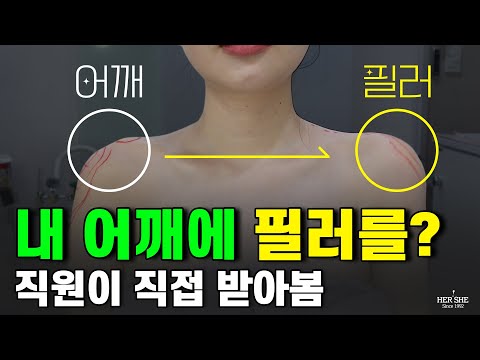 어깨필러 상담부터 시술과정까지, 직각어깨 REAL 현장
 쌍수하고 술 언제부터 마셔도 되나요?

- Before After
- 만족스러운 HERSHE Beauty FAQ 다음은 당신입니다.


-
1
허쉬는 대리수술이 없습니다.
진료를 담당한 의사가 직접 수술하는 것은 당연합니다. -
2
무리한 수술을 권유하지 않습니다.
디테일한 상담, 명확한 진단으로 가능한 범위 내에서
진료를 하겠습니다. -
3
끊임없는 연구와 노력을 이어갑니다.
기본부터 지키며, 성형을 발전시키는데
이바지하겠습니다. -
4
환자와 공감하고 소통하는 병원
작은 목소리도 가족이나 친구처럼 소홀히 하지 않습니다.
우리가 약속할수 있는 것
PREFER TO CONTACT US DIRECTLY?
Direct 1:1 consultation
Choose one of the channels below to begin a direct conversation with our English consultation team.


Online Consultation
Online Consultation
-
Weekdays 10:00 a.m. to 7:00 p.mSaturday 10:00 a.m. to 4:00 p.m
-
730, 2~4th floor, 63-12, Cheongdam-dong, Gangnam-gu, Seoul
Business registration number: 211-09-46633 | Mail order sales report number: 2011-Seoul Gangnam-02924 - Advertising / Affiliate Inquiry Contact Telephone: 02-518-6688 / E-mail: hershe.eng@gmail.com


