


- HERSHE Beauty FAQ
- Beauty Q&A
- Find answers to your beauty questions with HERSHE
HERSHE Beauty FAQ
|
Middle-Aged Eye Surgery: Why Does the Eye Shape Change with Age? 2026-11-09 hit.1,440 |
|
Middle-Aged Eye Surgery: Why Does the Eye Shape Change with Age?
As people age, some may notice that their eyes appear smaller than before or that their eyelids feel heavier. A previously defined double-eyelid crease may gradually become obscured, while protruding under-eye fat or an increase in fine lines may create an overall tired appearance. After middle age, changes may occur not only in the skin around the eyes but also in structures such as fat, muscles, and the position of the eyebrows. Therefore, when considering middle-aged eye surgery, it is important to first identify what has caused the change in the eye area rather than focusing only on removing sagging skin. Today, we will take a detailed look at the main reasons the eye area changes with age, the types of middle-aged eye surgery, and the factors that should be checked before surgery.
Why Does the Eye Shape Change with Age? The skin around the eyes is relatively thin, and the area is constantly moving as the eyes open and close. As we age, changes in skin elasticity, fat distribution, muscles, and surrounding tissues may affect the appearance of the eyes. The main changes include the following. 1. Reduced Eyelid Skin Elasticity As we age, changes in collagen, elastin, and other components that support the skin may reduce skin elasticity. These changes may also affect the upper eyelids. As the eyelid skin loosens, it may cover the double-eyelid crease or make the skin near the outer corners of the eyes appear to droop. This may make the eyes appear smaller and give the eye area a heavy or obstructed appearance. If the upper-eyelid skin descends close to the eyelashes when the eyes are open or obscures the existing double-eyelid crease, the degree of eyelid skin laxity should be assessed. 2. Changes in the Position of the Eyebrows and Surrounding Tissues The appearance of the eyes is not determined by the eyelids alone. The eyebrows, forehead, and tissues supporting the eye area also influence the overall eye shape. If the forehead and eyebrow tissues descend with age, the distance between the eyebrows and the eyes may change, making the upper-eyelid skin appear more heavily covered. In this case, it is necessary to determine whether only the upper-eyelid skin has sagged or whether the position of the eyebrows has also descended. 3. Changes in Eye-Opening Strength Opening the eyes involves the muscles that lift the eyelids and the tissues supporting them. Changes in these structures may weaken eye-opening strength, causing the eyes to open less fully or creating a sleepy appearance. When the eyelids sag, some people may also develop a habit of engaging the forehead muscles to open their eyes more widely. However, loose eyelid skin and reduced function of the eyelid-opening muscles may be separate concerns and should be accurately distinguished. 4. Protruding Under-Eye Fat and Sagging Skin Various changes may also occur beneath the eyes after middle age. If the tissues supporting the under-eye fat weaken, the fat may protrude forward and create a bulging appearance. Conversely, some areas beneath the eyes may appear hollow, creating a difference in height between the protruding and recessed areas. When reduced skin elasticity and fine lines are also present, the under-eye area may appear uneven or shadowed. These changes may create a tired or aged appearance regardless of a person’s actual condition.
What Types of Middle-Aged Eye Surgery Are Available? Middle-aged eye surgery does not refer to a single type of procedure. The surgical approach considered may vary depending on the degree of eyelid sagging, eye-opening strength, eyebrow position, under-eye fat, and skin condition. Common options include upper blepharoplasty, lower blepharoplasty, under-eye fat repositioning, brow lift, and ptosis correction. 1. Upper Blepharoplasty Upper blepharoplasty is a procedure that primarily addresses sagging skin of the upper eyelids. It may be considered when loose upper-eyelid skin covers the existing double-eyelid crease or creates a heavy and obstructed sensation when opening the eyes. Before surgery, it is important to assess not only how much the skin has stretched but also the amount and position of fat, the condition of the eyelid muscles, and the existing double-eyelid crease. Depending on the individual condition of the eyes, the amount of loose skin to be addressed and the double-eyelid crease should be planned comprehensively. 2. Lower Blepharoplasty Lower blepharoplasty is a procedure that primarily addresses sagging lower-eyelid skin, protruding fat, and wrinkles. It may be considered when the skin beneath the eyes becomes loose or fat protrudes forward, creating a bulging under-eye appearance. When under-eye fat and sagging skin are both present, the position and amount of fat, skin elasticity, and support of the lower eyelid should be assessed comprehensively. Depending on the individual condition, the fat may be reduced or repositioned, while the loose skin and surrounding tissues are considered when determining the surgical approach. 3. Under-Eye Fat Repositioning Under-eye fat repositioning may be considered when under-eye fat protrudes forward while the area below it appears hollow. When protruding under-eye fat and a hollow tear trough appear together, the boundary between the areas may become more noticeable and create a shadow. The position of the under-eye fat and surrounding tissues is assessed, and surgery is planned to reduce the difference in height between the protruding and hollow areas. However, under-eye fat repositioning alone may not be sufficient when skin laxity is pronounced or numerous under-eye wrinkles are present. In such cases, other surgical approaches, including lower blepharoplasty, may also be reviewed. 4. Brow Lift A brow lift may be considered when sagging tissues around the eyebrows make the upper eyelids appear heavy or covered. When the outer portion of the eyebrow descends and the skin near the outer corner of the eye becomes covered, it is important to assess the eyebrow position and the amount of available skin beneath the eyebrow. Because the incision location and surgical approach differ from those of upper blepharoplasty, it is necessary to consider whether the existing double-eyelid crease should be maintained, as well as the distance between the eyebrows and eyes and the area in which skin laxity is concentrated. 5. Ptosis Correction Ptosis correction is planned after assessing the function of the eyelid-opening muscles and eyelid movement, with consideration given to eye-opening strength.
What Should Be Checked Before Middle-Aged Eye Surgery? Middle-aged eye surgery cannot be planned simply by removing loose skin. The individual’s eye structure, function, and existing eye shape should be assessed thoroughly. 1. Location and Degree of Skin Laxity The surgical approach may vary depending on whether the entire upper eyelid has sagged or whether the sagging is concentrated near the outer corner of the eye. For the under-eye area, it is also necessary to determine whether skin laxity is the primary concern or whether protruding fat or hollowing is also present. 2. Eye-Opening Strength and Eyelid Function It should be determined whether the concern is loose eyelid skin or reduced function of the muscles responsible for opening the eyes. Because both causes may occur together, eyelid position and the movement involved in opening and closing the eyes should be assessed. 3. Eyebrow Position and Forehead-Muscle Use If the eyebrows have descended or the forehead muscles are heavily engaged when opening the eyes, eyebrow position and forehead-muscle movement should also be assessed. If these factors are not considered, the postoperative appearance of the eyes may differ from what was expected. 4. Existing Double-Eyelid Crease and Eye Characteristics It is important to check whether an existing double-eyelid crease is present, whether the two eyes differ in size or shape, and whether the patient has undergone previous eye surgery. If there is a history of eye surgery, details regarding the timing and method of the previous surgery and any current discomfort should be communicated to the medical team. 5. Under-Eye Fat and Lower-Eyelid Support When considering lower blepharoplasty or under-eye fat repositioning, not only the amount and position of the under-eye fat but also skin elasticity and lower-eyelid support should be evaluated. Because the lower eyelid also plays a role in protecting the eye, the individual anatomy should be carefully considered to avoid excessive skin removal. Recovery and Precautions After Middle-Aged Eye Surgery After eye surgery, swelling, bruising, tightness, and temporary discomfort may occur depending on the surgical area and the individual recovery process. The recovery period may vary according to the type and extent of surgery and the condition of the individual’s skin and tissues. 1. After surgery, the following precautions should be observed. 2. Avoid rubbing or pressing firmly on the surgical area. 3. Apply cold and warm compresses according to the medical team’s instructions. 4. Take prescribed medication according to the provided instructions. 5. Alcohol consumption, smoking, and strenuous exercise should be avoided for the period advised by the medical team. 6. Follow the instructions regarding wound hygiene, disinfection, and the schedule for suture removal. If pain or swelling suddenly becomes severe or unexpected symptoms such as changes in vision occur, contact the medical team immediately. Because of the characteristics of the eye area, careful care is required during recovery following surgery around the eyes. Rather than assessing postoperative symptoms independently, it is important to monitor recovery through regular follow-up examinations.
Middle-Aged Eye Surgery: What Should Be Considered? Rather than focusing only on making the eyes appear larger or removing sagging skin, m iddle-aged eye surgery requires careful assessment of what has caused the current changes in the eye area. HERSHE Plastic Surgery provides information on various eye procedures, including upper blepharoplasty, lower blepharoplasty, and under-eye fat repositioning. After middle age, several changes may occur together, including sagging upper-eyelid skin, reduced eye-opening strength, changes in eyebrow position, and protruding under-eye fat. Therefore, when planning surgery, it is important to assess the following factors together. 1. The location and degree of upper-eyelid skin laxity 2. The function of the eyelid-opening muscles and eyelid movement 3. Eyebrow position and the existing double-eyelid crease 4. The amount of under-eye fat and the degree of protrusion or hollowing 5. Lower-eyelid skin elasticity and support 6. Previous eye surgery and current discomfort After comprehensively assessing these factors, the surgical method should be planned according to the individual’s eye structure and concerns. Even among people considering middle-aged eye surgery, some may consider upper blepharoplasty, while others may consider lower blepharoplasty or under-eye fat repositioning. In some cases, a brow lift or ptosis correction may be considered. The important point is not to select a specific procedure in advance, but to identify where the changes in the eye area originate and determine an appropriate approach.
Changes in the eye area with age cannot be explained by loose skin alone. Several factors may contribute together, including reduced eyelid skin elasticity, changes in eyebrow position, eyelid-opening muscle function, and protruding or hollow under-eye fat. If you are considering middle-aged eye surgery, it is important to first identify the changes present in your current eye area. The suitability of procedures such as upper blepharoplasty, lower blepharoplasty, under-eye fat repositioning, brow lift, or ptosis correction may vary depending on the individual’s eye structure and function. Rather than deciding on surgery based on age alone, it is advisable to assess the current condition of the eyes through sufficient consultation and examination and plan an individually appropriate approach. |
|
 NEXT |
 Planning Eyelid Surgery After the CSAT? Find the Right Procedure for Your Eyes |
 PREV |
Worried about calf bulges? Things to check before getting Calf Toxin treatment |
|
|
|





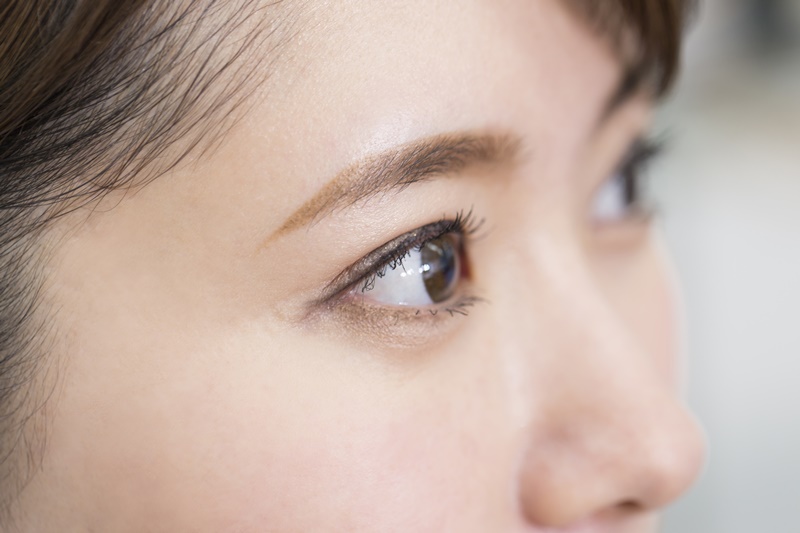


- 허쉬성형외과 전문의 의료진이 콕콕 짚어드립니다.
-

 힙업리프팅으로 애플힙 뒤태 만들수있나요? 힙업성형 Q&A
-
 어깨필러 상담부터 시술과정까지, 직각어깨 REAL 현장
 쌍수하고 술 언제부터 마셔도 되나요?

- Before After
- 만족스러운 HERSHE Beauty FAQ 다음은 당신입니다.


-
1
허쉬는 대리수술이 없습니다.
진료를 담당한 의사가 직접 수술하는 것은 당연합니다. -
2
무리한 수술을 권유하지 않습니다.
디테일한 상담, 명확한 진단으로 가능한 범위 내에서
진료를 하겠습니다. -
3
끊임없는 연구와 노력을 이어갑니다.
기본부터 지키며, 성형을 발전시키는데
이바지하겠습니다. -
4
환자와 공감하고 소통하는 병원
작은 목소리도 가족이나 친구처럼 소홀히 하지 않습니다.
우리가 약속할수 있는 것
PREFER TO CONTACT US DIRECTLY?
Direct 1:1 consultation
Choose one of the channels below to begin a direct conversation with our English consultation team.


Online Consultation
Online Consultation
-
Weekdays 10:00 a.m. to 7:00 p.mSaturday 10:00 a.m. to 4:00 p.m
-
730, 2~4th floor, 63-12, Cheongdam-dong, Gangnam-gu, Seoul
Business registration number: 211-09-46633 | Mail order sales report number: 2011-Seoul Gangnam-02924 - Advertising / Affiliate Inquiry Contact Telephone: 02-518-6688 / E-mail: hershe.eng@gmail.com


