


- HERSHE Beauty FAQ
- Beauty Q&A
- Find answers to your beauty questions with HERSHE
HERSHE Beauty FAQ
|
Planning Eyelid Surgery After the CSAT? Find the Right Procedure for Your Eyes 2026-11-10 hit.1,638 |
|
Planning Eyelid Surgery After the CSAT? Find the Right Procedure for Your Eyes
After the CSAT, many people take time to focus on personal care they had postponed or make plans for a new beginning. In particular, the eyes hold a significant place on the face, and depending on the shape of the eyes, the overall impression can change, so it is not uncommon for students to consider eyelid surgery after the CSAT. Concerns vary from cases where the eyes look small due to a lack of double eyelids, to cases where the eyelids are thick or the eyelid-opening strength is weak, making the eyes look sleepy, to cases where the shapes of both eyes are different. However, when looking into eyelid surgery, there are various surgical methods, such as the suture method, incisional method, ptosis correction, and medial epicanthoplasty, and it can be difficult to decide which one to choose. The important point is that not everyone receives the same surgery simply because they are considering eyelid surgery after the CSAT. The surgical methods that can be considered vary depending on an individual's eye structure, including the skin and fat of the eyelids, the strength used to open the eyes, and the horizontal and vertical proportions of the eyes. If you are planning eyelid surgery after the CSAT, this article explains the types of procedures, the criteria used to select an appropriate method, and the points to check before consultation.
Why Consider Eyelid Surgery After the CSAT? The reason students think about eyelid surgery is not simply because they do not have double eyelids. There can be various concerns, such as the eyes appearing narrow or the left and right eyes looking different in size. Let us look at some representative concerns. 1. Cases Where the Eyes Look Small Due to the Absence of Double Eyelids This refers to situations where there is no double-eyelid line on the eyelid, or the line is not clearly visible when the eyes are open. In such cases, double-eyelid surgery may be considered after checking the thickness of the eyelid skin, the amount of fat, and the degree of skin laxity. 2. Cases Where the Eyelids Look Thick and Heavy When the eyelid skin is thick or contains relatively more fat, the eyes may appear puffy, or the double-eyelid line may not be clearly visible. In such cases, it is necessary to determine whether simply creating a double-eyelid line is sufficient or whether the condition of the skin and fat should also be considered. 3. Cases Where the Eyes Look Sleepy Even When Open If the strength used to open the eyes is insufficient or the eyelids do not lift adequately, the eyes may appear smaller than they actually are and give a sleepy impression. In this case, it is necessary to distinguish whether the eyelid skin is covering the eye or whether the concern is related to the function of the muscles used to open the eye. 4. Cases Where the Shapes of Both Eyes Are Different The presence or height of the double eyelids, or the degree to which the eyes open, may differ between the two sides. Such asymmetry may be related to various factors, including the natural eye structure or eyelid movement, so it is important to examine both eyes together. 5. Cases Where the Shape of the Inner or Outer Corner of the Eye Is a Concern Depending on the horizontal length of the eyes, the presence of an epicanthal fold at the inner corners, or the direction of the outer corners, the eye shape may appear narrow. In such cases, it is possible to determine whether canthoplasty should be considered in addition to double-eyelid surgery. The reasons for considering eyelid surgery vary from person to person, so it is best to first identify specifically which features of your eyes concern you.
What Is the Difference Between the Suture and Incisional Methods? When considering eyelid surgery after the CSAT, the first procedure many people encounter is double-eyelid surgery. Double-eyelid surgery can generally be divided into the suture method and the incisional method. 1. Suture Method The suture method creates a double-eyelid line using sutures without making a large incision in the eyelid. It may be considered when the eyelid skin is relatively thin, there is not much fat, and skin laxity is not significant. Because the incision range is relatively limited, students looking into their first eyelid surgery often show interest in this method. However, the suture method is not necessarily suitable for everyone. If the eyelids are thick, contain a lot of fat, or the strength used to open the eyes is insufficient, it may be difficult to achieve the desired shape using the suture method alone. Therefore, whether the method can be applied should be determined after checking the skin thickness, amount of fat, and eyelid movement. 2. Incisional Method The incisional method creates a double-eyelid line through an incision while taking the skin, fat, and internal eyelid tissues into account. It may be considered when the eyelid skin is thick or contains a significant amount of fat, requiring comprehensive consideration of skin laxity and the internal structure of the eyelid. Compared with the suture method, it requires an incision, so it is important to understand the scope of surgery and the recovery process fully. Which Method Should Be Chosen: The Suture Method or the Incisional Method? Neither method is inherently better than the other. The surgical plan may vary depending on whether the eyelid skin is thin with little fat or thick with a greater amount of fat. The method that may be considered can also vary depending on the existing double-eyelid shape, the strength used to open the eyes, and the desired line. Therefore, rather than deciding solely based on the surgery people around you have received or a method known for a relatively quick recovery, it is important to check the condition of your own eyes first. When Should Ptosis Correction Be Considered? One procedure frequently mentioned alongside double-eyelid surgery is ptosis correction. Ptosis correction addresses factors related to eye-opening strength after evaluating the function of the muscles used to open the eyes and the movement of the eyelids. For example, if the eyelids do not rise sufficiently when the eyes are open, or if significant effort is made with the forehead to open the eyes widely, the eye-opening function should be evaluated. It is important to distinguish whether this condition is caused by sagging eyelid skin or is related to the function of the muscles used to open the eyes. Double-eyelid surgery and ptosis correction have different purposes. While double-eyelid surgery forms a double-eyelid line, ptosis correction takes the function of the muscles used to open the eyes into account. Therefore, the absence of a double eyelid does not necessarily mean that ptosis correction is required, and the two procedures should not automatically be performed together simply because the eyes appear small. The strength used to open the eyes and the movement of the eyelids should be evaluated before discussing whether the procedures need to be performed together.
Should Canthoplasty and Double-Eyelid Surgery Be Performed Together? When looking into eyelid surgery, some people also consider medial epicanthoplasty or lateral canthoplasty alongside double-eyelid surgery. Canthoplasty differs from double-eyelid surgery in both the area addressed and the purpose of the procedure. 1. Medial Epicanthoplasty Medial epicanthoplasty takes the epicanthal fold at the inner corner of the eye and the surrounding structure into account. It may be considered when the inner corner appears covered by an epicanthal fold or when the shape of the inner corner is a concern. However, whether to proceed and how to plan the surgery may vary depending on the shape of the epicanthal fold, the distance between the eyes, and the condition of the skin around the inner corners. 2. Lateral Canthoplasty Lateral canthoplasty takes the structure of the outer eye area and the shape of the outer corner into account. It may be considered when the horizontal length of the eyes or the shape around the outer corners is a concern, but whether the procedure can be performed depends on the individual's eye structure and tissue condition. Canthoplasty is not necessary for everyone. You do not necessarily need medial epicanthoplasty or lateral canthoplasty simply because you want your eyes to appear larger. It is important to examine the epicanthal folds, the position of the outer corners, and the horizontal length of the eyes to determine whether an additional procedure is actually needed. How Is the Procedure Suitable for My Eyes Determined? Cosmetic eyelid surgery cannot be determined solely by the size of the eyes or the presence of double eyelids. Even when creating the same type of double eyelid, the surgical plan may differ depending on whether the eyelid skin is thin or thick. The following factors should also be examined together. 1. Thickness of the Eyelid Skin and Amount of Fat Check whether the eyelid is relatively thick or thin and how the fat is distributed. 2. Eye-Opening Strength and Eyelid Movement Observe how much the eyelids rise when opening the eyes and whether there is a tendency to use the forehead muscles. 3. Presence and Shape of Existing Double Eyelids Check whether there are existing double eyelids, whether the lines on both eyes are symmetrical, and whether the desired double-eyelid height is suitable for the current eye structure. 4. Structure of the Inner and Outer Eye Areas The position of the epicanthal fold and outer corner, as well as the horizontal length of the eyes, can be examined when considering whether canthoplasty is necessary. 5. Overall Facial Proportions and Harmony It is important not to examine the eyes in isolation, but to consider their overall proportions and harmony with the eyebrows, nose, and facial contours. Ultimately, what matters is not selecting a specific procedure first, but understanding the current characteristics of the eyes and identifying the areas that need attention.
Things to Check Before Eyelid Surgery After the CSAT After the CSAT, some students use the time before winter vacation or university entrance to look into eyelid surgery. However, rather than setting the surgery date first, it is important to undergo a thorough consultation and plan the recovery schedule accordingly. 1. Clearly Identify the Desired Eye Shape Instead of simply thinking that you want prettier or larger-looking eyes, it is better to identify specifically which features of your eyes have concerned you most. For example, the direction of the consultation may change depending on whether you are concerned about the absence of a double-eyelid line, thick-looking eyelids, or a sleepy-looking eye shape. 2. Check Which Methods May Be Suitable: The Suture or Incisional Method Rather than deciding in advance on a surgical method seen online, it is advisable to confirm with the medical staff whether that method may be considered based on the condition of your eyes. 3. Allow Sufficient Time for Surgery and Recovery After surgery, symptoms such as swelling, bruising, and tightness may occur, and the speed of recovery can vary depending on the surgical method and the individual's condition. Therefore, if you have important plans, such as the beginning of the school term, university entrance, or travel, you should inform the medical staff in advance and allow sufficient recovery time. 4. Provide Information About Medications and Health Conditions If you are currently taking any medications or have specific health conditions, allergies, or a history of previous surgery, this information should be provided accurately during the consultation. It is also advisable to discuss whether you wear contact lenses and whether you usually experience any eye-related discomfort. 5. If You Are a Minor, Consult Thoroughly With a Guardian Some students taking the CSAT may still be minors. In such cases, rather than rushing into surgery, it is important to consider the individual's consent, the necessity of the procedure, and their physical and emotional readiness carefully. It is also important to consult with a guardian and confirm the possibility of surgery and relevant precautions with the medical staff. What Is the Recovery Process, and What Precautions Should Be Taken After Eyelid Surgery? The recovery process after eyelid surgery varies depending on the surgical method and scope, as well as the individual's skin and tissue condition. Immediately after surgery, swelling, bruising, and tightness may occur, followed by gradual recovery over time. The following precautions should therefore be observed after surgery. 1. Avoid rubbing or pressing the surgical area firmly. 2. Apply cold or warm compresses according to the medical staff's instructions. 3. Take prescribed medications as directed. 4. Resume wearing contact lenses and applying eye makeup only after checking the recovery status of the surgical area. 5. Avoid drinking alcohol, smoking, and strenuous exercise for the period recommended by the medical staff. 6. Attend scheduled follow-up visits so that the recovery progress can be monitored. Double-eyelid surgery, ptosis correction, and canthoplasty differ in their surgical scope and methods, so their recovery processes are not identical. Swelling or bruising after surgery does not necessarily mean that recovery is not progressing properly. Conversely, uncomfortable symptoms should not automatically be assumed to be part of the normal recovery process. If pain or swelling suddenly worsens, or unexpected symptoms such as changes in vision or bleeding occur, you should contact the medical staff promptly.
If you are planning eyelid surgery after the CSAT, the first step is to identify which features of your eyes concern you rather than simply following a popular eye shape. If you want to create a double-eyelid line, the suture and incisional methods may be considered. If eye-opening strength is a concern, the need for ptosis correction can be evaluated. If the shape of the inner or outer areas of the eyes is a concern, you can evaluate whether canthoplasty may be appropriate. However, it is not necessary to undergo all procedures at once, and an appropriate method may vary depending on the eyelid skin and fat, muscle function, eye shape, and facial proportions. Especially when undergoing eyelid surgery for the first time, it is important to consider not only the surgical method but also the expected changes, recovery process, and precautions carefully before making a decision. If you are planning a new beginning after the CSAT, examine the characteristics of your own eyes step by step and determine an appropriate direction through a thorough consultation with the medical staff. |
|
 NEXT |
 How many cc of men's shoulder filler are needed? Injection volume varies depending on body type |
 PREV |
Middle-Aged Eye Surgery: Why Does the Eye Shape Change with Age? |
|
|
|








- 허쉬성형외과 전문의 의료진이 콕콕 짚어드립니다.
-

 힙업리프팅으로 애플힙 뒤태 만들수있나요? 힙업성형 Q&A
-
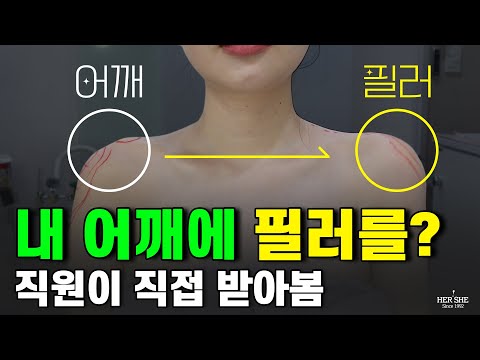 어깨필러 상담부터 시술과정까지, 직각어깨 REAL 현장
 쌍수하고 술 언제부터 마셔도 되나요?

- Before After
- 만족스러운 HERSHE Beauty FAQ 다음은 당신입니다.


-
1
허쉬는 대리수술이 없습니다.
진료를 담당한 의사가 직접 수술하는 것은 당연합니다. -
2
무리한 수술을 권유하지 않습니다.
디테일한 상담, 명확한 진단으로 가능한 범위 내에서
진료를 하겠습니다. -
3
끊임없는 연구와 노력을 이어갑니다.
기본부터 지키며, 성형을 발전시키는데
이바지하겠습니다. -
4
환자와 공감하고 소통하는 병원
작은 목소리도 가족이나 친구처럼 소홀히 하지 않습니다.
우리가 약속할수 있는 것
PREFER TO CONTACT US DIRECTLY?
Direct 1:1 consultation
Choose one of the channels below to begin a direct conversation with our English consultation team.


Online Consultation
Online Consultation
-
Weekdays 10:00 a.m. to 7:00 p.mSaturday 10:00 a.m. to 4:00 p.m
-
730, 2~4th floor, 63-12, Cheongdam-dong, Gangnam-gu, Seoul
Business registration number: 211-09-46633 | Mail order sales report number: 2011-Seoul Gangnam-02924 - Advertising / Affiliate Inquiry Contact Telephone: 02-518-6688 / E-mail: hershe.eng@gmail.com


