


- HERSHE Beauty FAQ
- Beauty Q&A
- Find answers to your beauty questions with HERSHE
HERSHE Beauty FAQ
|
When Can You Exercise After Shoulder Filler? Post-Treatment Precautions 2026-11-16 hit.1,728 |
|
When Can You Exercise After Shoulder Filler? Post-Treatment Precautions
People who regularly work out, do Pilates, or practice yoga often have questions when considering shoulder filler. One of the most common questions is “When can I start exercising again after getting shoulder filler?” You may be planning the treatment to add volume to your shoulder line but wonder whether you will need to stop exercising for a long time, or when you can resume your usual weight training or upper-body workouts. The muscles around the shoulders are continuously used as the arms and neck move. Therefore, immediately after treatment, it is important to avoid excessive stimulation or pressure on the injection area. Today, we will take a detailed look at when exercise can be resumed after shoulder filler, precautions for different types of exercise, and aftercare tips for everyday life.
Why Should You Avoid Exercising Immediately After Shoulder Filler? Shoulder filler is a treatment that uses hyaluronic acid filler to enhance shoulder volume and contours. The treatment area and injection volume are planned by considering each person’s shoulder structure, muscle development, and left-right balance. Immediately after treatment, swelling, bruising, or soreness may occur at the injection area, and the surrounding tissues also need time to recover. Exercising too strenuously during this period may place the following burdens on the area. 1. The injection area may be exposed to repeated movement and pressure. Weight training and upper-body exercise repeatedly engage the muscles around the shoulders. In particular, movements such as raising the arms overhead or lifting heavy weights may place movement and pressure on the treatment area, so caution is needed during the early recovery period. 2. Swelling and discomfort may become more noticeable. Exercise increases the heart rate, blood flow, and body temperature. Immediately after treatment, this physical activity may make swelling or soreness feel more uncomfortable. 3. It may become difficult to assess the recovery progress. Immediately after treatment, temporary swelling and changes caused by the injection may appear at the same time. Without allowing enough time for recovery, strenuous activity may make it difficult to assess the condition of the treatment area. Therefore, after shoulder filler, it is important to first check whether the treatment area is recovering steadily rather than making a decision based on your usual exercise level. When Can You Exercise After Shoulder Filler? Let us look at the timing for resuming exercise, which is often the biggest question. In general, patients are advised that they may begin with light exercise about 1–2 weeks after shoulder filler treatment. More vigorous activity is generally recommended after about 2 weeks, provided there is no swelling or pain. However, this is general guidance and may vary depending on the treatment area, injection volume, and individual recovery speed. 1. Immediately After Treatment to Day 3 The treatment area may be sensitive during this period, so it is advisable to get sufficient rest. Avoid strenuous exercise such as weight training Refrain from activities that require significant force in the shoulders and arms Avoid excessive heat exposure such as saunas and Korean-style heated rooms Do not press or massage the treatment area 2. Days 4–7 After Treatment Swelling or bruising may gradually begin to subside during this period, but the area is still recovering. Avoid strenuous upper-body exercise Refrain from repeatedly lifting heavy objects Avoid movements that place strong force on the shoulders Do not rush to resume exercise if discomfort remains Everyday movement and exercise should be distinguished from each other. Being able to carry out daily activities does not mean that high-intensity exercise can be resumed immediately. 3. 1–2 Weeks After Treatment If recovery is progressing smoothly, light exercise may be started gradually after confirmation from the treating medical professional. Light walking Low-intensity aerobic exercise that does not cause strain Activities that place little direct load on the shoulders Rather than immediately returning to your usual exercise intensity, it is advisable to begin with shorter sessions at a lower intensity and check whether swelling or pain returns afterward. 4. From 2 Weeks After Treatment If there is no swelling or pain and the injection area has recovered steadily, you may consider gradually increasing your activity level. However, weight training with heavy loads or high-intensity upper-body exercise may need to be delayed further depending on individual recovery. For high-intensity exercise in particular, it is advisable to consult the treating medical professional rather than applying the same resumption schedule to everyone.
What Precautions Apply to Different Types of Exercise? Not every type of exercise places the same level of strain on the shoulders. After shoulder filler, the precautions also vary depending on the type of exercise performed. 1. Gym Workouts and Weight Training Upper-body exercises performed at the gym often directly engage the muscles around the shoulders or require them to support weight. The following exercises in particular may concentrate stress on the shoulders. Shoulder press Side lateral raises Dumbbell and barbell exercises Bench press Pull-ups and lat pulldowns It is advisable to avoid these exercises during the early recovery period and resume them gradually after checking the condition of the area. 2. Pilates and Yoga Pilates and yoga may seem relatively gentle, but some movements place body weight on the shoulders or require repeated use of the arms. Movements that support body weight with the arms and shoulders, such as planks, downward-facing dog, and push-ups, require caution during the early recovery period. When restarting exercise, movements that place body weight on the shoulders should also be adjusted according to the guidance of the treating medical professional. 3. Swimming Swimming is a full-body exercise that involves repeated arm movements. Strokes involving large arm rotations, such as freestyle or backstroke, continuously engage the shoulder area and should therefore be avoided immediately after treatment. When using a swimming pool, the skin condition and recovery of the injection area should also be considered. 4. Running and Aerobic Exercise Light walking, running, and high-intensity interval training place different levels of stress on the body. During the early recovery period, avoid strenuous running or intense aerobic exercise and begin with light activity according to your recovery condition. If you feel pulling or discomfort in the shoulders during exercise, stop immediately and check the area.
Lifestyle Habits to Be Careful About After Shoulder Filler, in Addition to Exercise Not only exercise but also everyday habits performed unconsciously may stimulate the treatment area. 1. Do Not Carry a Heavy Bag on One Shoulder Carrying a heavy bag on one shoulder for an extended period while commuting or going out may place pressure on the treatment area. During the early recovery period, take particular care with items that concentrate weight on the shoulders, such as laptop bags or heavy backpacks. 2. Do Not Massage the Treatment Area Firmly Even if you are concerned about the shoulder line, avoid repeatedly pressing or massaging it with your hands. Rubbing the filler injection area or attempting to shape it yourself is not recommended. Massage or additional aftercare should always be performed according to medical guidance. 3. Be Careful With Tight Clothing or Garments That Press on the Shoulders Clothing or wearable items that strongly compress the shoulder area may cause discomfort during the early recovery period. When putting on or removing clothing, take care not to apply excessive friction or pressure to the treatment area. 4. Avoid Excessive Heat Exposure Such as Saunas and Korean-Style Heated Rooms Immediately after treatment, it is advisable to avoid activities that significantly raise body temperature, such as saunas, Korean-style heated rooms, and hot half-body baths. The period for restricting heat exposure may vary depending on the treatment condition and medical guidance, so it is advisable to confirm this individually. 5. Be Careful With Alcohol and Smoking Alcohol may affect recovery, including swelling and bruising, while smoking may also negatively affect overall recovery. It is advisable to follow medical guidance regarding when alcohol consumption and smoking may be resumed after treatment. Seek Medical Advice if These Symptoms Appear After Shoulder Filler Depending on the individual, swelling, bruising, soreness, or tenderness may occur after treatment. However, not every symptom should be regarded as part of a normal recovery process. If any of the following symptoms occur, stop exercising or performing self-care and contact the medical institution where you received treatment immediately. Pain that continues to worsen over time or the sudden onset of severe pain Swelling, warmth, or redness that becomes severe or continues to worsen Skin that becomes pale or develops a mottled appearance Unusual changes such as blisters or skin damage Symptoms suggesting infection, such as fever or pus Symptoms that may indicate vascular complications, including severe pain or changes in skin color, require prompt evaluation. If symptoms are severe, seek emergency medical care immediately. If you experience concerning symptoms, it is important to consult a medical professional rather than massaging the area yourself or waiting for the symptoms to resolve.
When can exercise be resumed after shoulder filler? Based on general guidance, light exercise may be started from about 1–2 weeks after treatment while monitoring recovery, and high-intensity exercise should be resumed according to the guidance of the treating medical professional after confirming that there is no swelling or pain. More important than restarting exercise quickly is allowing enough time for the treatment area to recover steadily. If you regularly exercise or frequently perform upper-body workouts, consider both your exercise schedule and recovery period before undergoing treatment. |
|
 NEXT |
 No Data. |
 PREV |
Filler Longevity and Precautions to Know Before Treatment |
|
|
|






- 허쉬성형외과 전문의 의료진이 콕콕 짚어드립니다.
-

 힙업리프팅으로 애플힙 뒤태 만들수있나요? 힙업성형 Q&A
-
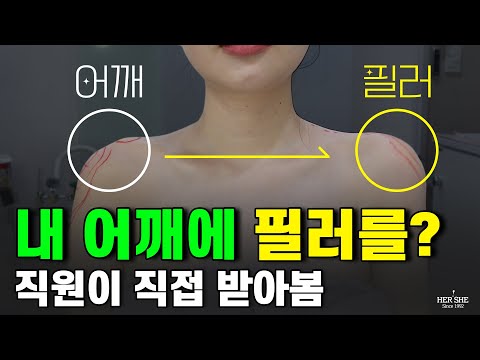 어깨필러 상담부터 시술과정까지, 직각어깨 REAL 현장
 쌍수하고 술 언제부터 마셔도 되나요?

- Before After
- 만족스러운 HERSHE Beauty FAQ 다음은 당신입니다.


-
1
허쉬는 대리수술이 없습니다.
진료를 담당한 의사가 직접 수술하는 것은 당연합니다. -
2
무리한 수술을 권유하지 않습니다.
디테일한 상담, 명확한 진단으로 가능한 범위 내에서
진료를 하겠습니다. -
3
끊임없는 연구와 노력을 이어갑니다.
기본부터 지키며, 성형을 발전시키는데
이바지하겠습니다. -
4
환자와 공감하고 소통하는 병원
작은 목소리도 가족이나 친구처럼 소홀히 하지 않습니다.
우리가 약속할수 있는 것
PREFER TO CONTACT US DIRECTLY?
Direct 1:1 consultation
Choose one of the channels below to begin a direct conversation with our English consultation team.


Online Consultation
Online Consultation
-
Weekdays 10:00 a.m. to 7:00 p.mSaturday 10:00 a.m. to 4:00 p.m
-
730, 2~4th floor, 63-12, Cheongdam-dong, Gangnam-gu, Seoul
Business registration number: 211-09-46633 | Mail order sales report number: 2011-Seoul Gangnam-02924 - Advertising / Affiliate Inquiry Contact Telephone: 02-518-6688 / E-mail: hershe.eng@gmail.com


