


- HERSHE Beauty FAQ
- Beauty Q&A
- Find answers to your beauty questions with HERSHE
HERSHE Beauty FAQ
|
Concerned About Your First Impression? Finding the Right Eyelid Surgery for Your Eyes 2026-11-26 hit.1,619 |
|
Concerned About Your First Impression? Finding the Right Eyelid Surgery for Your Eyes
The appearance of your eyes is one of the things that shape a first impression. It is not just about whether you have a double eyelid crease or how large your eyes are. Eyelid thickness, how easily you open your eyes, and the shape of the inner and outer corners can all affect your overall appearance. “My eyes look small and closed-in.” “I don’t have a double eyelid crease, and I worry that my eyes lack definition.” “People tell me I look sleepy even when my eyes are open.” “I’d like my eyes to look more defined without looking unnatural. ” People consider eyelid surgery for many different reasons. But eyelid surgery is not simply about creating a crease. It should also account for the structure and function of your eyes and how they fit with the rest of your face. Let’s look at common types of eyelid surgery and what to check when choosing an approach.
Why Assess Your Eyes Before Eyelid Surgery? Two people without a double eyelid crease may need different approaches depending on eyelid thickness, the amount of fat, skin laxity, and the strength of the muscles that open the eyes. Before eyelid surgery, it is important to check the following: Eyelid skin thickness and amount of fat Strength of the muscles that open the eyes Width and height of the eye opening Shape and symmetry of the double eyelid crease Shape of the inner and outer eye corners Overall facial proportions and balance Small-looking eyes do not necessarily call for canthoplasty, and a sleepy appearance alone does not make someone a candidate for ptosis correction. It is important to understand your current eye shape and specific concerns before deciding on a surgical approach.
Concerned About Your Eyelid Crease? Double Eyelid Surgery Double eyelid surgery creates a crease in the upper eyelid. Two common approaches are the non-incisional and incisional methods. 1. Non-incisional Method This method uses sutures to form a crease without making a long incision in the skin. It may be considered when the eyelid skin is relatively thin and there is little fat or skin laxity. 2. Incisional Method An incision is made where the crease will be formed, allowing the surgeon to examine the underlying tissues and take the necessary steps to create the crease. This may be considered depending on the condition of the eyes, for instance when the eyelids are thick or when excess fat and skin laxity are present. Neither method is necessarily better than the other. The choice should take into account the condition of the eyelids, the desired crease, and the person’s anatomy. Do Your Eyes Look Sleepy? Ptosis Correction If your eyelids cover much of the pupil when your eyes are open, or if opening your eyes takes effort, the function of the muscles that lift your eyelids should be assessed. If ptosis is present, ptosis correction may be considered. Ptosis correction adjusts the tension of the muscles that open the eyes to improve eyelid movement and the ability to open the eyes. A consultation can help assess features such as: The eyelids cover much of the pupils You tense your forehead or raise your eyebrows to open your eyes Your eyes often look sleepy Looking small or sleepy does not in itself mean the eyes need ptosis correction. The need for surgery should be determined after assessing how the eyes open and whether ptosis is present.
Concerned About the Inner or Outer Eye Corners? Canthoplasty The width of the eye opening and the shape of the inner and outer corners also influence the overall appearance of the eyes. Canthoplasty may be considered depending on the epicanthal fold at the inner corner or the structures at the outer corner. Medial canthoplasty (epicanthoplasty): Adjusts the inner eye corner with the epicanthal fold and surrounding structures in mind. Upper medial canthoplasty: Adjusts the shape of the inner corner based on the skin and folds above it. Lateral canthoplasty: Adjusts features such as the angle of the outer corner and the width of the eye opening, taking the outer eye structures into account. Lower lateral canthoplasty: Adjusts the lower outer part of the eye based on the position and shape of the lower eyelid. Canthoplasty is not simply a way to make the eyes larger. It should be planned only if needed, taking into account the distance between the eyes, the angle of the outer corners, and the condition of the surrounding tissues.
What to Check Before Eyelid Surgery If you are planning eyelid surgery, ask not just about the method but also about recovery and precautions. After surgery, swelling, bruising, a pulling sensation, and temporary discomfort may occur. Recovery time varies with the procedure and the individual. Follow your medical team’s aftercare instructions, and contact the clinic if you experience bleeding, severe pain, or signs that may indicate inflammation. For students or minors in particular, it is important to assess their stage of development and suitability for surgery, and to make a careful decision with a parent or guardian.
The goal of eyelid surgery is not simply to make the eyes bigger. It is to understand their existing features and choose an approach that balances with the rest of the face. Options include double eyelid surgery, ptosis correction, and canthoplasty, but not every procedure is necessary for everyone. If you are concerned about your first impression, start by finding out what suits your eyes rather than following the latest trend. |
|
 NEXT |
 No Data. |
 PREV |
Looking Tired Even After Enough Sleep? Could the Under-Eye Area Be the Reason? |
|
|
|








- 허쉬성형외과 전문의 의료진이 콕콕 짚어드립니다.
-

 힙업리프팅으로 애플힙 뒤태 만들수있나요? 힙업성형 Q&A
-
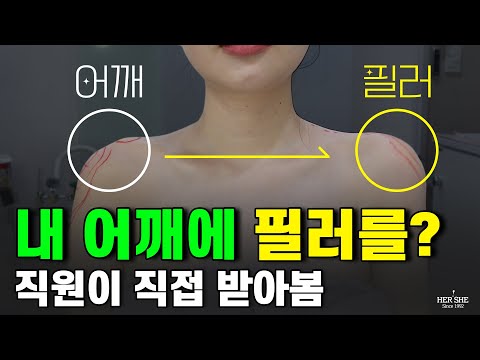 어깨필러 상담부터 시술과정까지, 직각어깨 REAL 현장
 쌍수하고 술 언제부터 마셔도 되나요?

- Before After
- 만족스러운 HERSHE Beauty FAQ 다음은 당신입니다.


-
1
허쉬는 대리수술이 없습니다.
진료를 담당한 의사가 직접 수술하는 것은 당연합니다. -
2
무리한 수술을 권유하지 않습니다.
디테일한 상담, 명확한 진단으로 가능한 범위 내에서
진료를 하겠습니다. -
3
끊임없는 연구와 노력을 이어갑니다.
기본부터 지키며, 성형을 발전시키는데
이바지하겠습니다. -
4
환자와 공감하고 소통하는 병원
작은 목소리도 가족이나 친구처럼 소홀히 하지 않습니다.
우리가 약속할수 있는 것
PREFER TO CONTACT US DIRECTLY?
Direct 1:1 consultation
Choose one of the channels below to begin a direct conversation with our English consultation team.


Online Consultation
Online Consultation
-
Weekdays 10:00 a.m. to 7:00 p.mSaturday 10:00 a.m. to 4:00 p.m
-
730, 2~4th floor, 63-12, Cheongdam-dong, Gangnam-gu, Seoul
Business registration number: 211-09-46633 | Mail order sales report number: 2011-Seoul Gangnam-02924 - Advertising / Affiliate Inquiry Contact Telephone: 02-518-6688 / E-mail: hershe.eng@gmail.com


