


- HERSHE Beauty FAQ
- Beauty Q&A
- Find answers to your beauty questions with HERSHE
HERSHE Beauty FAQ
|
Small Habits That Can Make a Difference: Everyday Skin Care Tips 2026-11-17 hit.1,795 |
|
Small Habits That Can Make a Difference: Everyday Skin Care Tips
Even though you follow a similar skin care routine every day, have you ever noticed that your skin looks particularly dull, your makeup appears flaky, or your complexion seems less radiant on certain days? The difference between a good skin day and a not-so-good skin day may not simply come down to the cosmetics you use. Everyday habits that we often repeat without noticing—including sleep patterns, eating habits, UV exposure, and cleansing methods—can affect the condition of the skin. When beginning a skin care routine, it is easy to focus on finding new cosmetics or products with active ingredients. However, reviewing your basic lifestyle habits is just as important. Today, we will take a closer look at skin care habits that can be easily incorporated into daily life, along with helpful ways to care for your skin according to its condition.
Why Does My Skin Look Rough and Dull? If your skin looks rougher or less vibrant than usual, the first step is to consider the possible causes. Skin condition is not determined by a single factor. A lack of moisture, UV exposure, sebum and dead skin cells, changes in skin elasticity, sleep patterns, and the surrounding environment can all have a combined effect. 1. When the Skin Lacks Moisture When the skin loses moisture, its texture may feel rough, makeup may appear flaky, and fine lines may look more noticeable than usual. The skin can become particularly dry during seasonal changes or in environments where air conditioning and heating are frequently used. Paying attention to moisturizing care can therefore be helpful. 2. When UV Exposure Is Repeated Ultraviolet rays can contribute to changes in skin pigmentation and photoaging. If sunscreen is not used regularly or you spend a significant amount of time outdoors, your skin tone may appear uneven and pigmentation concerns may become more noticeable. 3. When Dead Skin Cells and Sebum Make the Skin Texture Rough When dead skin cells build up on the skin’s surface or excessive sebum accumulates, the skin texture may appear uneven. However, frequent exfoliation is not necessarily the answer. Excessive scrubbing or peeling may instead cause irritation and dryness. 4. When Skin Elasticity Changes As skin elasticity decreases, the areas around the pores may appear less firm, while fine lines and changes in skin texture may become more noticeable. In this case, it may be helpful to distinguish changes in elasticity from a simple lack of moisture and assess the overall condition of the skin. 5. Lack of Sleep and Irregular Lifestyle Habits A lack of sleep or ongoing stress may cause your skin to feel different from usual. Lifestyle habits alone cannot address every skin concern, but maintaining a regular routine provides an important foundation for overall skin health.
The First Step Toward Healthier-Looking Skin: Review Your Cleansing Habits When thinking about skin care, moisturizers or products with active ingredients may be the first things that come to mind. However, daily cleansing habits are also important. Cleansing removes impurities, excess sebum, and makeup residue from the skin’s surface. Cleansing too vigorously or frequently using strong cleansing products may leave the skin feeling dry and sensitive. Helpful Cleansing Habits 1. Use lukewarm water rather than hot water. 2. Cleanse gently without rubbing the skin too strongly. 3. Avoid rubbing your face vigorously with a towel after cleansing. 4. Choose a mild cleansing product suited to your skin condition. 5. Avoid cleansing or exfoliating more frequently than necessary. If your skin feels particularly tight after cleansing, check whether your current cleansing product or method may be causing irritation. Reducing unnecessary irritation is just as important as keeping the skin clean. Consistent Moisturizing Is Important When the skin is dry, its texture may look rough, makeup may appear flaky, and fine lines may seem more noticeable. The key is to choose a moisturizer suited to your skin condition and use it consistently. 1. Care for Moisture and UV Protection Together in the Morning In the morning, apply a moisturizer suited to your skin condition after cleansing, followed by sunscreen before going outside. If your skin tends to be dry, make it a habit to apply moisturizer after cleansing before the skin begins to feel excessively dry. 2. Prepare the Skin and Focus on Moisturizing at Night After thoroughly removing makeup, sunscreen, and impurities that have accumulated throughout the day, apply a moisturizer suited to your skin. However, dry skin does not necessarily require several products to be applied heavily at the same time. A simple and consistent routine centered on products that suit your skin is recommended. 3. Moisturizing Methods May Vary by Skin Type Dry skin: If your skin feels tight after cleansing, consider a product that provides sufficient moisture. Oily skin: Even when sebum production is high, the skin may still lack moisture. A lightweight moisturizer may be considered. Sensitive skin: Check whether your skin reacts to particular ingredients, such as fragrances, and begin with products formulated to minimize irritation. Combination skin: Dryness and sebum levels may vary by area, so the amount of moisturizer can be adjusted accordingly. Skin type and condition may change depending on the season, environment, and products used. It is therefore important to monitor how your skin responds after using a product.
Maintain UV Protection in Every Season UV protection is an essential part of skin care. Ultraviolet rays may not only contribute to changes in skin pigmentation but also affect long-term photoaging. If you are particularly concerned about freckles, pigmentation, or changes in skin tone, begin by reviewing your daily UV protection habits. Lifestyle Habits for UV Protection 1. Apply Sunscreen Before Going Outside Before going outside, apply a sufficient amount of sunscreen according to the product’s directions. 2. Reapply During Extended Outdoor Activities If you sweat heavily, come into contact with water, or remain outdoors for an extended period, reapply sunscreen according to the product’s directions. 3. Use Hats and Parasols In addition to sunscreen, physical protection such as hats, parasols, long-sleeved clothing, and staying in the shade may also be used. 4. Protect the Skin from UV Rays Even on Cloudy Days UV exposure does not occur only on sunny days. Maintaining daily sun protection habits is important regardless of the weather or season. If you wish to care for your skin tone and elasticity, make sunscreen part of your daily routine rather than using it only on special occasions. Sufficient Sleep and Regular Lifestyle Habits Are Also Important Skin care is not limited to applying cosmetics. Daily habits involving sleep, diet, and exercise are also associated with overall skin health. 1. Maintain Regular Sleep Habits Irregular or insufficient sleep can cause fatigue and may affect skin condition. Whenever possible, try to maintain consistent times for going to bed and waking up. In addition to getting enough sleep, reducing smartphone use before bedtime and creating a comfortable sleeping environment may also be helpful. 2. Maintain a Balanced Diet Eating one particular food does not immediately improve the skin. It is important to maintain a balanced diet that includes a variety of vegetables, fruits, proteins, and healthy fats. Aim for regular, balanced meals rather than following an excessively restrictive or unbalanced diet. 3. Drink Enough Water Staying properly hydrated is important for maintaining the body’s normal functions. However, simply drinking a large amount of water does not immediately resolve dry skin. Along with drinking water, use a moisturizer suited to your skin and take steps to manage excessively dry indoor environments. 4. Maintain Consistent Physical Activity Regular physical activity can help support overall health and a consistent daily rhythm. Rather than exercising excessively, choose an activity that you can continue regularly according to your physical condition, such as walking or light aerobic exercise. After exercising, gently cleanse away sweat and impurities, then moisturize according to your skin condition. 5. Reduce Smoking and Excessive Alcohol Consumption Smoking may negatively affect skin health, while excessive alcohol consumption may place additional strain on overall health and daily routines. If you are trying to manage your skin condition, consider lifestyle changes such as avoiding smoking and reducing alcohol consumption.
Skin Care Habits to Avoid In an effort to improve the skin, people may sometimes repeat habits that cause irritation. Review the following habits to determine whether any may apply to your current routine. 1. Exfoliating Too Frequently Scrubbing the skin or using peeling products every day simply because dead skin cells are visible may not be appropriate. Excessive exfoliation may lead to irritation and dryness, so the frequency should be adjusted according to the condition of your skin. 2. Using Several Products with Active Ingredients at Once When several new cosmetics are introduced at the same time, it may be difficult to identify which product does not suit your skin. Rather than adding several products at once, introduce new products individually and observe how your skin responds. 3. Frequently Touching Blemishes with Your Hands Frequently touching your face or squeezing blemishes may increase skin irritation. If blemishes recur or inflammation is severe, it is advisable to have the condition assessed and receive appropriate care rather than squeezing them yourself. 4. Following Skin Care Trends Without Considering Your Skin Condition There is no guarantee that cosmetics or skin care methods that work well for someone else will also suit your skin. Skin thickness, sebum levels, moisture levels, and sensitivity vary from person to person. The key to skin care is not to add new products indiscriminately, but to understand the type of care your skin currently needs.
Daily Skin Care Checklist The most important part of skin care is maintaining habits that can be repeated consistently rather than relying on a single special treatment. Starting today, try incorporating the following items into your routine one at a time. 1. Check your skin condition in the morning and moisturize as needed. 2. Apply sunscreen before going outside. 3. Avoid rubbing the skin strongly while cleansing. 4. Avoid excessive exfoliation and overly frequent cleansing. 5. Drink enough water throughout the day. 6. Maintain a balanced diet and regular sleep schedule. 7. Gently cleanse the skin after exercising. 8. Introduce new cosmetics one at a time and monitor your skin’s response. 9. Avoid repeatedly touching areas of skin concern with your hands. Rather than trying to change every habit at once, begin with the areas that feel most relevant to your current routine and incorporate the changes one by one. |
|
 NEXT |
 No Data. |
 PREV |
When Can You Exercise After Shoulder Filler? Post-Treatment Precautions |
|
|
|







- 허쉬성형외과 전문의 의료진이 콕콕 짚어드립니다.
-

 힙업리프팅으로 애플힙 뒤태 만들수있나요? 힙업성형 Q&A
-
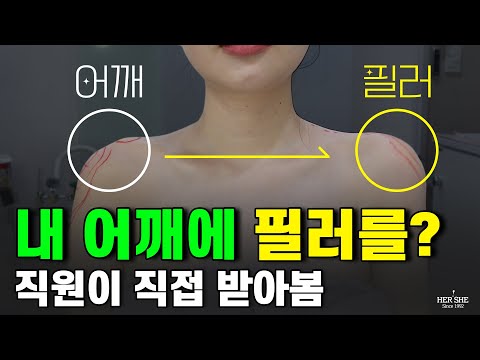 어깨필러 상담부터 시술과정까지, 직각어깨 REAL 현장
 쌍수하고 술 언제부터 마셔도 되나요?

- Before After
- 만족스러운 HERSHE Beauty FAQ 다음은 당신입니다.


-
1
허쉬는 대리수술이 없습니다.
진료를 담당한 의사가 직접 수술하는 것은 당연합니다. -
2
무리한 수술을 권유하지 않습니다.
디테일한 상담, 명확한 진단으로 가능한 범위 내에서
진료를 하겠습니다. -
3
끊임없는 연구와 노력을 이어갑니다.
기본부터 지키며, 성형을 발전시키는데
이바지하겠습니다. -
4
환자와 공감하고 소통하는 병원
작은 목소리도 가족이나 친구처럼 소홀히 하지 않습니다.
우리가 약속할수 있는 것
PREFER TO CONTACT US DIRECTLY?
Direct 1:1 consultation
Choose one of the channels below to begin a direct conversation with our English consultation team.


Online Consultation
Online Consultation
-
Weekdays 10:00 a.m. to 7:00 p.mSaturday 10:00 a.m. to 4:00 p.m
-
730, 2~4th floor, 63-12, Cheongdam-dong, Gangnam-gu, Seoul
Business registration number: 211-09-46633 | Mail order sales report number: 2011-Seoul Gangnam-02924 - Advertising / Affiliate Inquiry Contact Telephone: 02-518-6688 / E-mail: hershe.eng@gmail.com


